- Hits: 1789
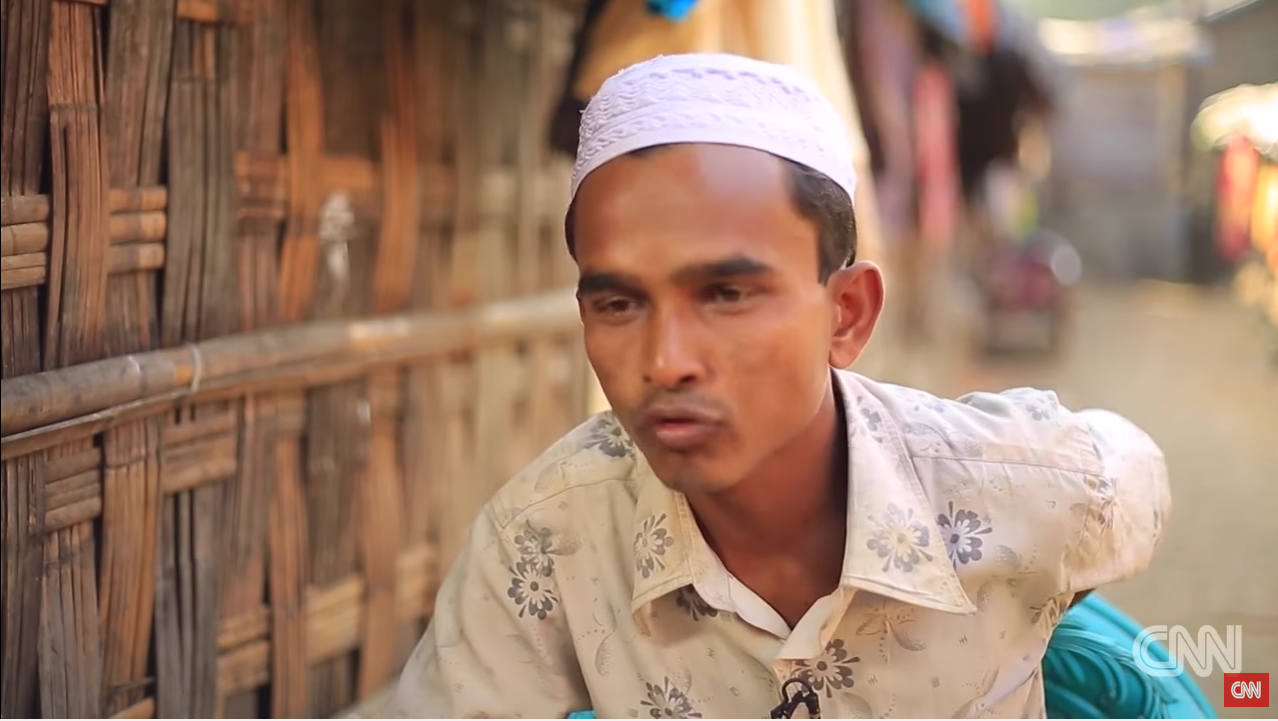
On November 23rd, Burma and Bangladesh signed an agreement concerning the repatriation of Rohingya Muslims who fled the country following a targeted violent campaign by the Burmese security forces. Commenting on the plan today, Burma Human Rights Network Executive Director Kyaw Win said:
“What has been agreed to by the Burmese and Bangladeshi Governments is inadequate in addressing even the most basic concerns of the displaced. The proposed plan makes no effort to address the statelessness and suffering of the Rohingya. In parallel there is insufficient explanation of the verification process for the returnees who have lost relevant documents due to arson attacks by security forces. We therefore urge the international community to reject this plan as it stands, and instead press Bangladesh and Burma to make appropriate revisions, including by ensuring that the UNHCR has a formal role in the return process, to ultimately enable the successful repatriation of the Rohingya”.
Mr Kyaw Win added, “Repatriating the Rohingya must be done on a voluntary basis, whilst ensuring their rights, including citizenship and the right to self-identify on any government documents, are guaranteed. It provides no assurances that they will be returned safely to a home where they will be granted fundamental human rights. Without such assurances, there is no guarantee the repatriated persons will be protected from further harm, discrimination and arbitrary punishment, and avoiding a repeat of the circumstances witnessed by the Rohingya in central Rakhine State; confined to squalid camps under military guard since 2012. It is therefore vital that the agreement is urgently revised, including with input from the international community in order to move forward with this agreement. Given the continued flow of refugees from Myanmar into Bangladesh, the current situation in Myanmar is still too dangerous for the Rohingya. All violence must cease before repatriation can begin. ”
The international community must uphold its responsibilities to insist that all promises made by the Burmese Government are monitored and enforced through appropriate mechanisms. We urge Bangladesh to participate with the international community in redrafting this agreement, and to seek consultation with the affected communities on their needs and concerns as they go forward. All Arbitrary timelines, including the two month window as suggested by Bangladesh, must be avoided. Finally we urge the Burmese Government to address these issues and the above recommendations earnestly, with sincere investment in the affected communities and with the intention of creating a peaceful and equitable future for all those living within its borders.
Editors note
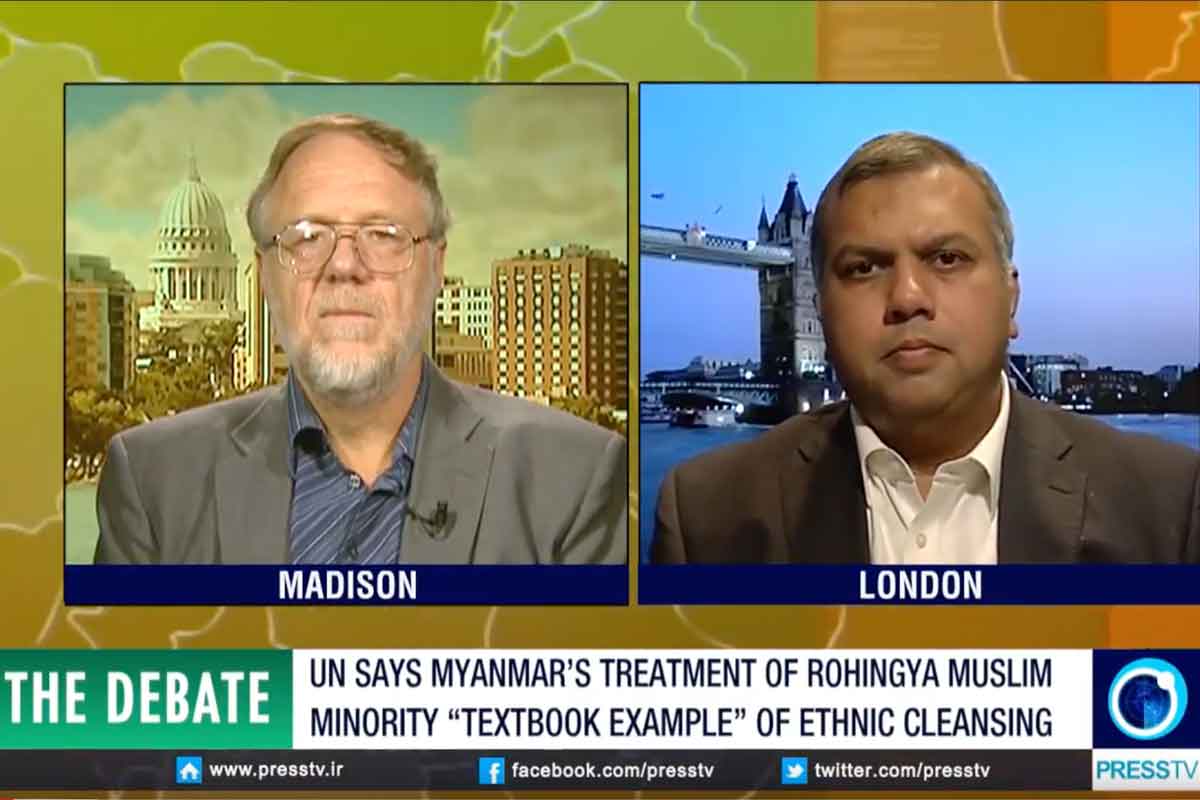
On August 25th an insurgent group called the Arakan Rohingya Salvation Army attacked 30 police posts and killed 12 security officers and one soldier. In response the Burmese Authorities have unleashed a brutal campaign against the civilian population, which has caused more than half of the Rohingya population in Northern Rakhine State to flee. Security forces have been monitored burning down Rohingya villages systematically and driving the population into neighboring Bangladesh. These actions by the Burmese army have widely been described as ethnic cleansing, with the UN even evoking the term when they said the military’s actions “seemed like a textbook case of ethnic cleansing. ” The military operations have caused a humanitarian crisis in neighboring Bangladesh which many nations have stepped up to address. Those remaining inside of Myanmar have not been given the same response as Myanmar has limited how much access NGOs have to the region and currently only the International Committee of the Red Cross has been given limited access in the north of the state.
Background on the Burma Human Rights Network (BHRN)
Burma Human Rights Network (BHRN) is based in London, operate across Burma and works for human rights, minority rights and religious freedom in Burma. BHRN has played a crucial role advocating for human rights and religious freedom with politicians and world leaders.
Media Enquiries
Please contact:
Kyaw Win
Executive Director
Burma Human Rights Network (BHRN)
E:This email address is being protected from spambots. You need JavaScript enabled to view it.
T: +44(0) 740 345 2378
BHRN PRESS RELEASE PDF

- Hits: 1867
As the US Secretary of State Rex Tillerson visits Burma he arrives at a time where his influence and the pressure of the international community is vital to address the situation in Burma’s western Rakhine State. To date over 600,000 Rohingya have fled from the country following a ruthless campaign by the Burmese Military that included murder, torture, forced starvation and rape. At the time of this writing reports of arbitrary arrests persist and video continues to emerge of Rohingya villages being burnt to the ground by vigilante mobs and security forces, despite the outcry of the international community. Those Rohingya remaining in Burma have faced severe shortages of food and aid as restrictions have blocked nearly all INGOs from accessing them and the access recently given to the Red Cross appears to still be extremely limited. The situation as it currently stands cannot be allowed to continue and it is apparent now that the assistance of Secretary of State Tillerson and the international community is the only avenue to alter its course for the better.
Recent moves by the international community have successfully created an atmosphere of pressure on the Burmese Government to address the issues in Rakhine State, but further pressure remains necessary to create meaningful actions and restore equity and calm. The Burmese Military recently issued a report detailing an investigation into its own actions and has predictably made the argument that no wrongdoing was committed. This report, while hard to take seriously, is also meant to create the illusion that something is being done and to waste the time of the international community while avoiding concrete actions.
Firm responses, like the recent comments by UK Prime Minister Theresa May, which identified the problem and its sources, are the best answer to these distractions. Yet, while Theresa May’s words are helpful, ultimately they will need to be followed with concrete actions to have an effect. Similarly, the words of Indonesian President Jokowi have not strayed from addressing the issue directly, nor does it avoid identifying those responsible during his speech at ASEAN summit.
An unhelpful strategy is that of the ASEAN Summit’s recent draft statement which completely and intentionally ignored the issue, catering to sensitivities of Burmese leadership. Similarly, the EU Foreign Ministers meeting which took place this week avoided any concrete call to action which could clearly identify the problem and lay an effective course of action to address its root causes and culpable actors.
As we speak there is a significant portion of the Rohingya population left in the country, despite over 600,000 Rohingya having already fled, who are under constant threat of attack or starvation. Many of the remaining population have been left stranded on the beaches in Maungdaw Township unable to flee to Bangladesh because of the river and ocean separating them.
“The international community can not continue to fail the Rohingya, nor can they ignore the gross human rights violations elsewhere in the country, especially as Burmese Muslims throughout Burma appear to be the next major target of the military’s systematic campaign against minorities,” Said Kyaw Win, Executive Director of the Burma Human Rights Network.
Going forward, the international community must support the repatriation of the Rohingya but on very firm conditions, including the assurance that attacks against the civilian population will cease, that Rohingya will not be sent to camps or segregated model villages, that rights and citizenship for the Rohingya will be restored and that there is a concrete plan for reintegration and rehabilitation with mechanisms in place for security and protection of all civilians. Any plan for repatriation must not jeopardize the UN mandated fact-finding mission into crimes in the region, as such an investigation is essential to peace and reconciliation. Repatriation must also be done swiftly, without delay and the Burmese plan to allow 150 Rohingya to re-enter the country per a day must be dismissed as a stalling tactic to drag out the process.
With this information in mind we strongly urge Secretary Tillerson to remain firm in the stance that the Rohingya should be allowed to return but must not be sent camps or segregated model villages. He must insist on sanctions against Rakhine’s Special Economic Zones, as well as targeted sanctions and travel restrictions against the Burmese Military and their cronies. On these same lines, it is vital he ensures cooperation and action by the international community to provide aid and assistance to those Rohingya most in need and vulnerable in Bangladesh, including the 4000 children who are unaccompanied, 2000 children suffering severe acute malnutrition, victims of trauma and women who faced sexual violence in Burma.
Editors note
On August 25th an insurgent group called the Arakan Rohingya Salvation Army attacked 30 police posts and killed 12 security officers and one soldier. In response the Burmese Authorities have unleashed a brutal campaign against the civilian population, which has caused half of the Rohingya population in Northern Rakhine State to flee. Security forces have been monitored burning down Rohingya villages systematically and driving the population into neighboring Bangladesh. These actions by the Burmese army have widely been described as ethnic cleansing, with the UN even evoking the term when they said the military’s actions “seemed like a textbook case of ethnic cleansing.” The military operations have caused a humanitarian crisis in neighboring Bangladesh which many nations have stepped up to address. Those remaining inside of Myanmar have not been given the same response as Myanmar has limited how much access NGOs have to the region and currently only the International Committee of the Red Cross has been given limited access in the north of the state.
Background on the Burma Human Rights Network (BHRN)
Burma Human Rights Network (BHRN) is based in London and works for human rights, minority rights and religious freedom in Burma. BHRN has played a crucial role advocating for human rights and religious freedom with politicians and world leaders.
Media Enquiries
Please contact:
Kyaw Win
Executive Director
Burma Human Rights Network (BHRN)
E:This email address is being protected from spambots. You need JavaScript enabled to view it.
T: +44(0) 740 345 2378
BHRN PRESS RELEASE PDF
- Hits: 1970
The Burma Human Rights Network calls for the release of photographer and journalist Aung Naing Soe, foreign journalists Lau Hon Meng and Mok Choy Lin and their driver Hla Tin, who were arrested on October 27th on charges connected to the illegal importing or exporting of restricted or banned goods without a license after their crew flew a drone over the Burmese Parliament. While Aung Naing Soe was in custody police confiscated electronics from his house, including his laptop, for reasons that seem unlikely to be related to his case. While the possession and use of the drone may have been in violation of the law, Aung Naing Soe was working as a translator, and his role, as well as the role of Hla Tin’s, seems minimal at most. Even with the use of the drone in violation of the law, he and the others face a potential three years in prison for a minor crime that should result in little more than a fine. Aung Naing Soe has previously drawn negative attention in Burma due to his religious background and willingness to fairly cover discrimination and undemocratic events inside the country.
“The Judiciary system in Burma is as corrupt and biased as its political system. Since the election of the NLD government, freedom of speech and media freedom have been significantly compromised. Burmese military propaganda has effectively changed people’s mindsets by portraying journalists and media as a threat and consequently many of Burma’s democratic reforms are paralysed, ” said Kyaw Win, executive director of Burma Human Rights Network.
While several media outlets have previously utilized drones for news coverage, none have yet seen this harsh a response by the Government for doing so. In a similar incident this month a foreign journalist had a drone confiscated by authorities, but no further action was taken. In the case of Aung Naing Soe, and the journalists from TRT, there remains a possible political motivation to punish them more harshly as the Turkish outlet and Muslim journalist are working during a period of increased anti-Muslim sentiment in the country. Simultaneously, tensions between the Burmese government and foreign media is higher than usual, and often local journalists suffer for this most as they have the least ability to protect themselves legally.
It is troubling in this case that Aung Naing Soe and Hla Tin were working as translator and driver to the foreign team and did not themselves bring the drone into the country, which is what they are being held for. Further it appears they were not operating the drones themselves, as their roles would not have included this. When these aspects are examined it seems more clear that at very most they have been detained and are facing three years in jail for being in a crew where others utilized a device that simply should have been confiscated with no further incident.
The Burma Human Rights Network calls on the Burmese Government to ensure Aung Nain Soe and Hla Tin have access to their lawyers, visitation from family, have their belongings returned to them and ultimately that they be released. We call for the same rights for Lau Hon Meng and Mok Choy Lin. We also call on the Burmese Government to ensure the foreign journalists who were detained are prosecuted proportionately to their crime, and receive no worse punishment than fine or confiscation of the drone used in the incident. We call on the international community to pressure Burma to ensure a free press without intimidation or legal threats against those who are doing their jobs to seek truth for the public. In a time where Burma’s democratic reforms are increasingly questioned, freedom of the press is imperative for the country to advance to a freer and more prosperous society. While these freedoms appear to be eroding, it is urgent to increase the work to secure them in order to reach a better future.
Notes for Editors
Background on the current situation:
Aung Naing Soe is a freelance journalist born and based in Burma. He has previously covered Muslim issues including those of the Rohingya, who are typically demonized and treated as foreigners in Burmese media. Aung Naing Soe was a friend of U Ko Ni a Muslim lawyer and member of the National League for Democracy, who was assassinated in early 2017. His arrest comes at a time where the country has seen a sharp increase in arrests of journalists.
Background on the Burma Human Rights Network (BHRN) Burma Human Rights Network (BHRN) works for human rights, minority rights and religious freedom in Burma. BHRN has played a crucial role advocating for human rights and religious freedom with politicians and world leaders.
Media Enquiries
Members of The Burma Human Rights Network (BHRN) are available for comment and interview.
Please contact:
Kyaw Win
Executive Director
Burma Human Rights Network (BHRN)
E:This email address is being protected from spambots. You need JavaScript enabled to view it.
T: +44(0) 740 345 2378
BHRN PRESS RELEASE PDF