- Hits: 1590
On Wednesday, January 10th, 2018 Burma formally charged Reuters Journalists Wa Lone and Kyaw Soe Oo violating the country’s Secrets Act, an antiquated law from the colonial era, for supposedly receiving confidential military information. The journalists have denied even violating the act, and circumstances surrounding their arrest appear to show a case of entrapment where the military arranged for someone to give the journalists these documents without their knowledge or consent so they could then be charged for possessing them. The supposed documents the journalists are charged with possessing relate to Burma’s Rakhine State, where Wa Lone and Kyaw Soe Oo have covered human rights violations by the military against the ethnic Rohingya.
“The arrest of Wa Lone and Kyaw Soe Oo is an obvious attempt to stop free press in Burma and to intimidate any journalists who might attempt to cover human rights violations occuring in the country. The use of antiquated laws and what appears to be falsified evidence to prevent accountability in the Military and government is extremely worrying and must be immediately addressed and corrected, ” said Kyaw Win, Executive Director of BHRN.
From the facts currently known it seems clear that the arrest and prosecution against Kyaw Soe Oo and Wa Lone are intended to disrupt investigations into the military’s actions inside of Rakhine State and send a message to other journalists not to interfere. The arrests of the Reuters journalists an also follows a series of similar arrests this year against journalists and civilians who covered issues regarding conflict in the country and the treatment of minorities.
With this in mind the Burma Human Rights Network calls on the Burmese Government to drop all charges and immediately release Wa Lone and Kyaw Soe Oo. BHRN calls on the international community to utilize pressure on the Burmese Government to release the journalists and aspire towards a more truly fair and free society which requires a free and unhindered press.
Editors note
Over the course of the year several journalists have been arrested inside of Burma for minor or obscure offenses or on false accusations. Individuals who have spoken with the press have also been arrested and charged with false assertions of wrongdoing. Before recent democratic reforms the country was notorious for censorship and heavy handed approaches to the media, including the arrests and detention of media. Recently Burma has become significantly more antagonistic with international media as the coverage of the current conflict in Rakhine State has exposed a number of serious accusations against the military. At the same time domestic media has faced serious pressure to repeat government lines.
Background on the Burma Human Rights Network (BHRN)
Burma Human Rights Network (BHRN) is based in London, operate across Burma and works for human rights, minority rights and religious freedom in Burma. BHRN has played a crucial role advocating for human rights and religious freedom with politicians and world leaders.
Media Enquiries
Please contact:
Kyaw Win
Executive Director
Burma Human Rights Network (BHRN)
E:This email address is being protected from spambots. You need JavaScript enabled to view it.
T: +44(0) 740 345 2378
BHRN PRESS RELEASE PDF

- Hits: 1309
On 20 December, the government of Burma informed UN Special Rapporteur Yanghee Lee that it had barred her from access to the country. The Special Rapporteur was due to visit Burma in January to investigate the human rights situation, including abuses against Rohingya Muslims in Rakhine State.
“Burma’s decision to block Ms. Lee is another clear sign that the authorities are covering up the horrific human rights violations that have taken place against Rohingya Muslims and other minorities in the country. In addition to blocking access for Ms. Lee, the Burmese authorities have refused access to the Human Rights Council’s Independent International Fact-Finding Mission and have intensified repression against journalists. The government and military are plainly attempting to conceal the truth, ” said Kyaw Win, Executive Director of the Burma Human Rights Network.
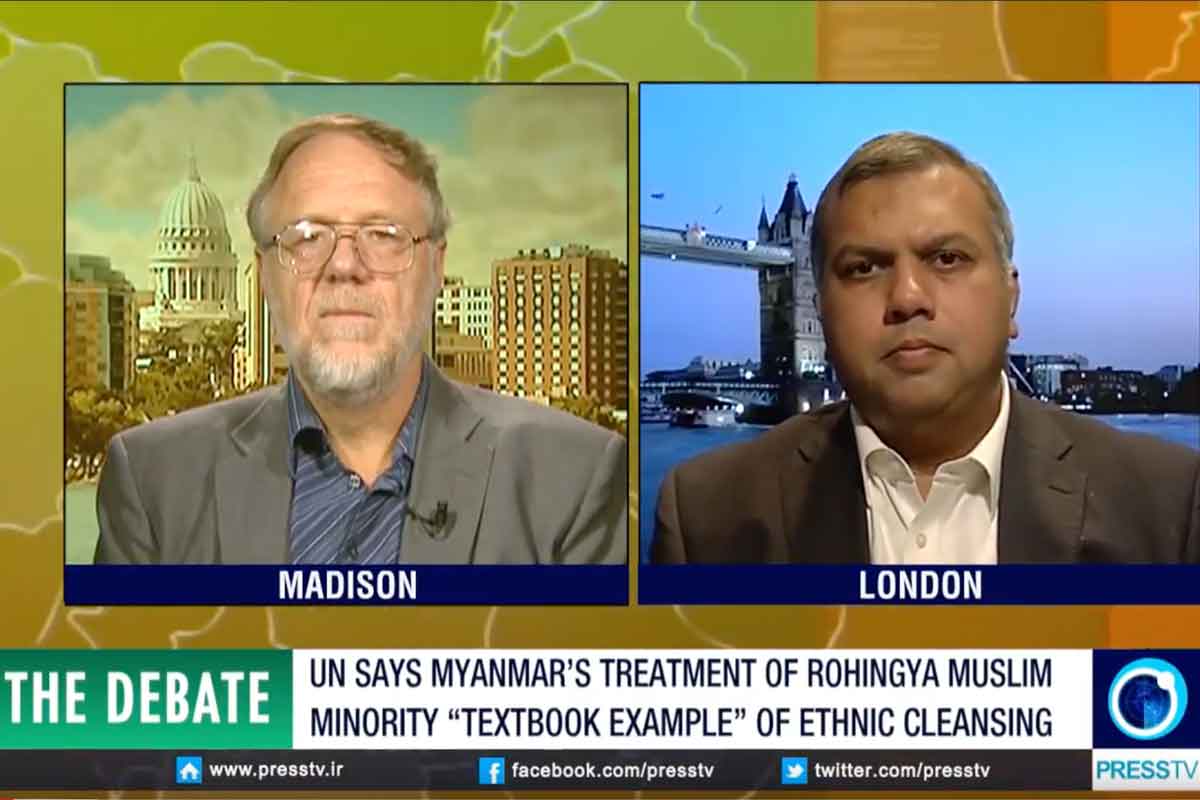
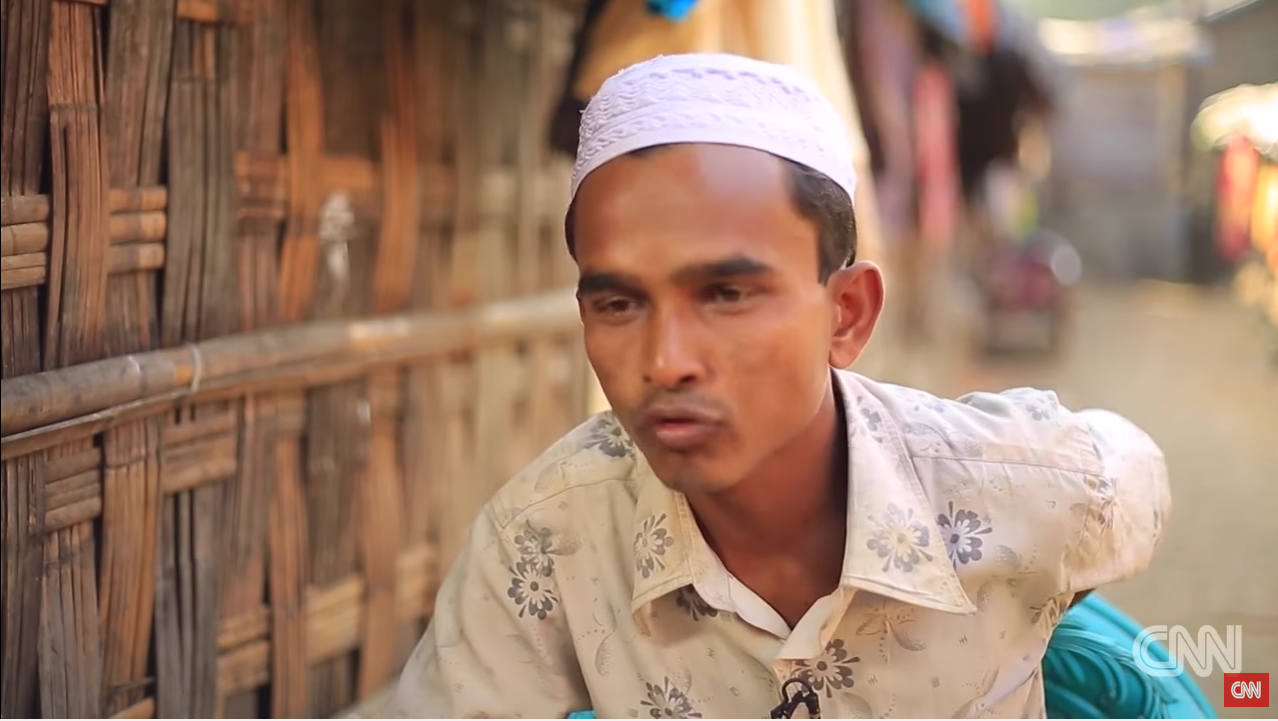
Since the Burmese military launched its brutal campaign against the Rohingya, over 650,000 refugees have fled from the country. These survivors have described harrowing crimes by the military including murder, torture, forced starvation and rape. The UN High Commissioner for Human Rights has called the violence a “textbook example of ethnic cleansing” that could amount to genocide in a court of law.
“In international fora like the Security Council and Human Rights Council, Burma has claimed its willingness to cooperate with the UN and investigate human rights violations. These misleading statements aim to placate the international community while the authorities silence critics and erase evidence at home. ” “The crimes committed against the Rohingya are among the worst atrocities in modern history. So far, the international community has failed to impose sufficient consequences on Burma. Yesterday’s obstruction of Ms. Lee should provoke governments to ratchet up pressure. States should demand Burma facilitate complete access for the UN, including the Special Rapporteur, Fact-Finding Mission, and humanitarian agencies. In tandem, individual states, the EU, and the UNSC should impose targeted sanctions on Burma’s military leaders, ” concluded Mr. Win.
Editor’s Note Beginning on 25 August, the Burmese authorities unleashed a campaign of violence against the Rohingya Muslim population in Burma’s Rakhine State. There are credible allegations of serious human rights violations and abuses committed against the Rohingya, including extrajudicial killings, excessive use of force, torture and ill-treatment, sexual and gender-based violence, and forced displacement. Over 650,000 Rohingya refugees have fled to Bangladesh in response to the violence. Surveys of refugees by Medicins Sans Frontieres indicate that at a minimum 6,700 Rohingya were killed. The Office of the High Commissioner for Human Rights has also reported that the government of Burma allowed incitement of hatred and condoned intimidation and attacks against Rohingya families by other ethnic and religious groups. Burma’s military released a report in November denying all allegations of rape and killings by the security forces.
Background on the Burma Human Rights Network (BHRN)
Burma Human Rights Network (BHRN) is based in London, operate across Burma and works for human rights, minority rights and religious freedom in Burma. BHRN has played a crucial role advocating for human rights and religious freedom with politicians and world leaders.
Media Enquiries
Please contact:
Kyaw Win
Executive Director
Burma Human Rights Network (BHRN)
E:This email address is being protected from spambots. You need JavaScript enabled to view it.
T: +44(0) 740 345 2378
BHRN PRESS RELEASE PDF
- Hits: 1885
The Burma Human Rights Network is extremely alarmed by the arrests of Wa Lone and Kyaw Soe Oo who work as journalists for Reuters The two were arrested late in the evening on December 12th or Early in the morning on December 13th and have been accused of being in possession of documents related to the military’s operations in Rakhine State, where the Government has been widely accused of carrying out ethnic cleansing. The arrests of Wa Lone and Kyaw Soe Oo give every indication of a orchestrated attempt to suppress media outlets that challenge official government narratives and fit into a greater pattern of arrests and intimidation against the media.
“The erosion of press freedom in Burma, especially in regards to covering human rights and conflict, is a deeply troubling trend in Burma which can not be ignored by the international community. If Burma is to emerge as a truly democratic state it must respect a free press which at times will rightfully hold them accountable, ” Said Kyaw Win, Executive Director of Burma Human Rights Network.
Wa Lone and Kyaw Soe Oo have been charged with violations under section 3.1 of the Official Secrets act and if found guilty they could face up to 14 years imprisonment. Their arrest is isupposedly the result of their possession of documents related to the military campaign in Rakhine State, where Wa Lone is especially well known for impressive, hard hitting and credible investigations. It is difficult to believe his arrest is not in some part a response to how effective he has been at uncovering atrocities and egregious behavior by the military inside of Rakhine State. These arrests come a little over a month after the arrest and detention of Aung Naing Soe, another Burmese journalist, on trumped up charges based on obscure antiquated laws. Several more arrests have occurred against journalist during the year as well.
The Burmese Human Rights Network calls upon the Burmese Government to release Wa Lone and Kyaw Soe Oo immediately and to take appropriate steps to ensure freedom of the press can continue in the country unhindered. The pattern of arrests and intimidation of journalists in the country is antithetical to the democratic reforms Burma is pursing and represent the repressive and violent history it is trying to emerge from. The international community should use all appropriate measures to aid in the release of the detained journalists and should view these arrests as part of pattern of continuing erosion of press freedom in the country, and likely an attempt to suppress information regarding atrocities committed by the military in Rakhine State. These issues all stem from the same source, the Burmese Military, and the Government must address them within their capacities if they are ever to fully transition to a civilian government.
Editors note
Over the course of the year several journalists have been arrested inside of Burma for minor or obscure offenses or on false accusations. Individuals who have spoken with the press have also been arrested and charged with false assertions of wrongdoing. Before recent democratic reforms the country was notorious for censorship and heavy handed approaches to the media, including the arrests and detention of media. Recently Burma has become significantly more antagonistic with international media as the coverage of the current conflict in Rakhine State has exposed a number of serious accusations against the military. At the same time domestic media has faced serious pressure to repeat government lines.
Background on the Burma Human Rights Network (BHRN)
Burma Human Rights Network (BHRN) is based in London, operate across Burma and works for human rights, minority rights and religious freedom in Burma. BHRN has played a crucial role advocating for human rights and religious freedom with politicians and world leaders.
Media Enquiries
Please contact:
Kyaw Win
Executive Director of the Burma Human Rights Network (BHRN)
E:This email address is being protected from spambots. You need JavaScript enabled to view it.
T: +44(0) 740 345 2378