- Hits: 1885
The Burma Human Rights Network is calling for an investigation into the killing of nine ethnic Rakhine protesters in Rakhine State’s Mrauk U Township. Protests began after authorities canceled celebrations for the 233rd anniversary of Mrauk U Kingdom. Mrauk U Kingdom was a Rakhine kingdom which was conquered by the Burmese and resentments among Rakhine remain as many feel treated as second class citizens with little or no autonomy in Rakhine State. Protests reportedly turned violent as protesters numbering in the thousands gathered outside of Mrauk U Police Station and the district administrator’s office and attacked empty police vehicles. Police stated they initially fired into the air to disperse protesters, but then responded to attacks on police vehicles by opening fire into the crowd, killing nine and severely injuring at least 12.
“The use of lethal force by police was by all indications absolutely unnecessary and will only worsen tensions and distrust between ethnic Rakhine and the authorities.
- Hits: 1227
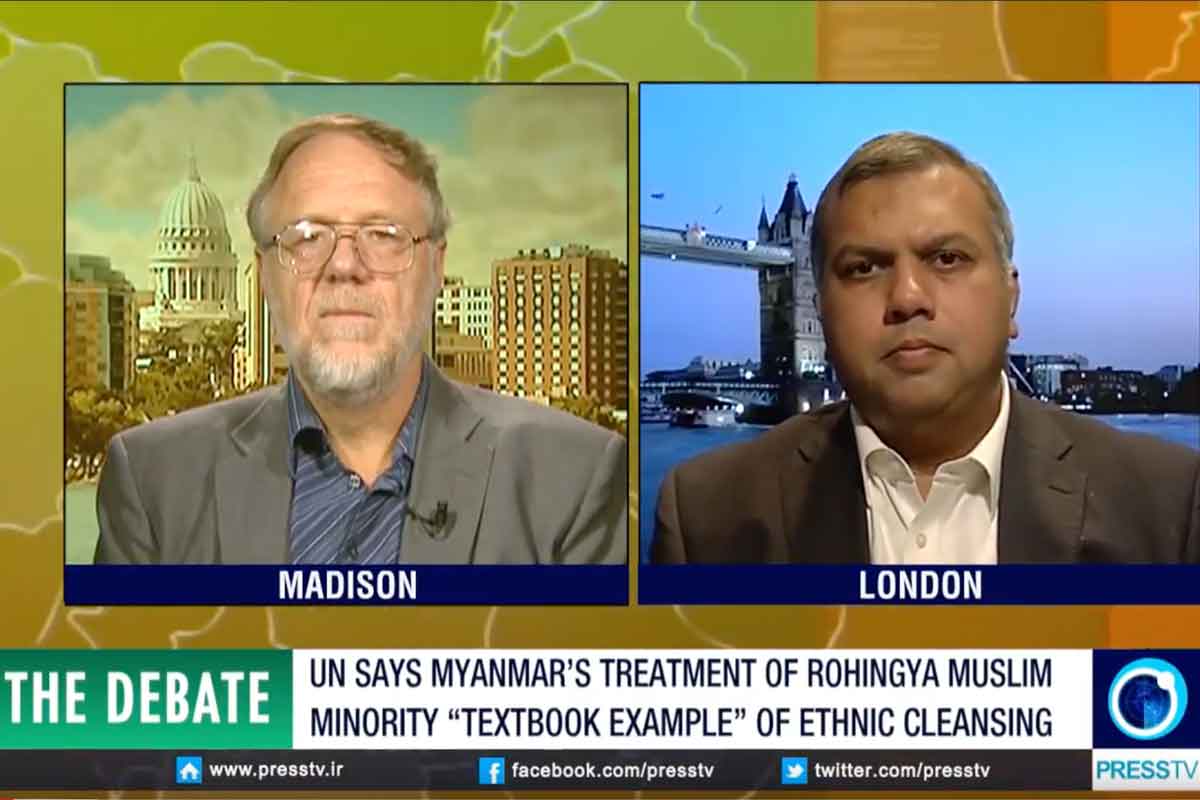
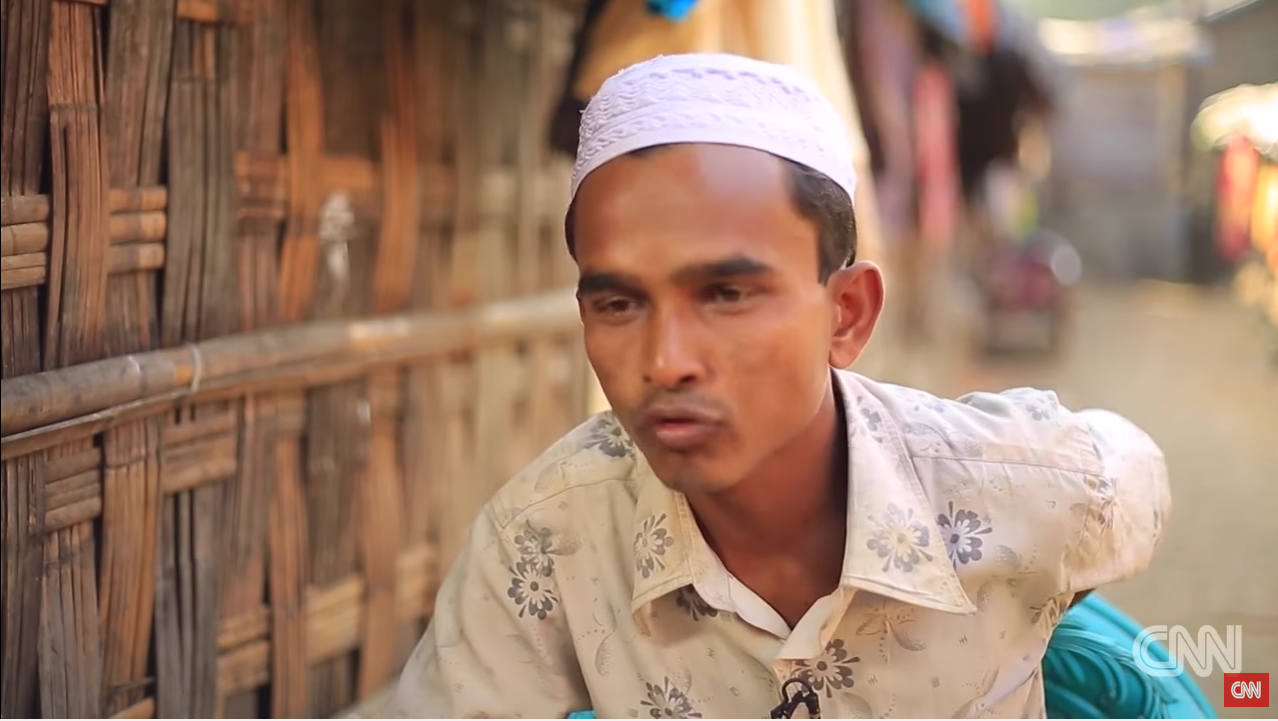
The Burma Human Rights Network is concerned that plans announced Tuesday, January 16th, by Burma and Bangladesh to repatriate Rohingya who fled from Burma to Bangladesh due to a campaign of ethnic cleansing may be subject to refoulement to camps where they will be held indefinitely with no prospect of enjoying even the most fundamental of human rights. The announcement stated that the two countries planned to repatriate hundreds of thousands of refugees over two years, with the process beginning next Tuesday. These plans were made without input from any UN agency or the Rohingya themselves, who largely oppose any repatriation until their security and human rights can be assured.
“Bangladesh and Burma are moving forward with a dangerous plan to repatriate hundreds of thousands of people, seemingly against their will, and with no concern for their most basic human rights. The failure of Burma and Bangladesh to consult with the UNHCR or the Rohingya community itself before going forward is a very troubling indicator of how little regard they have for the people who will be affected by these decisions. It is vital that the international community use all leverage it has now to ensure that any repatriation plan be done in coordination with the UNHCR and directly addresses concerns and grievances of Rohingya who have legitimate reasons to fear returning to Burma,” said Kyaw Win, Executive Director of BHRN.
The current plan involves seven camps that would facilitate the transfer of returnees, five on the Bangladesh side and two on the Burmese side. Burma currently says they will build a transfer camp that can house 30,000 Rohingya. These plans are reminiscent of previous refoulement efforts by Bangladesh and Burma in the 1990s which saw countless human rights violations in the process. The utilization of camps for returnees mirrors the situation of Rohingya who were displaced in the 2012 riots who are still living in squalid IDP camps 6 years later with no prospect of returning to their own villages or being able to work or move freely.
As part of this plan Burma has also given a list of 1,000 names of Rohingya they claim are connected to or members of the Arakan Rohingya Salvation Army (ARSA), the militant group who attacked nearly 30 police outposts on August 25th 2017, triggering the military campaign that displaced nearly half the Rohingya population from the country. Burma has frequently used accusations that individuals are affiliated with ARSA to harass elders, religious leaders, community leaders and wealthy individuals even if there is little or no evidence against them. Burma has also admitted to extrajudicial executions against individuals they believed to be members of ARSA. Worse yet, villagers in the area the men were killed have disputed if those killed actually belonged to ARSA, saying they were arbitrarily arrested before they were killed.
Burma Human Rights Network insists that Burma and Bangladesh halt any plans to repatriate Rohingya displaced in Bangladesh until consulting with and cooperating with the UNHCR and adequately developing a plan which addresses the concerns and grievances of the affected Rohingya. We call on the international community to insist the two nations do not move forward with refoulement plans, which are also violations of International Law. Any moves forward on plans to forcibly repatriate Rohingya should be dealt with for the egregious behaviors they are, resulting in appropriate targeted sanctions and withdrawal of cooperative initiatives with the international community.
Editors’ note
On August 25th an insurgent group called the Arakan Rohingya Salvation Army attacked 30 police posts and killed 12 security officers and one soldier. In response the Burmese Authorities unleashed a brutal campaign against the civilian population, which has caused more than half of the Rohingya population in Rakhine State to flee. Plans to repatriate the Rohingya have been discussed by Burma and Bangladesh since the fall of 2017, with the first plan officially announced by the two nations in late November. Since then NGOs and various states have criticized these plans for their failures to adequately address any concerns of the people they would directly affect and their lack of actionable plans to protect and ensure their rights.
Background on the Burma Human Rights Network (BHRN)
Burma Human Rights Network (BHRN) is based in London, operate across Burma and works for human rights, minority rights and religious freedom in Burma. BHRN has played a crucial role advocating for human rights and religious freedom with politicians and world leaders.
Media Enquiries
Please contact:
Kyaw Win
Executive Director
Burma Human Rights Network (BHRN)
E:This email address is being protected from spambots. You need JavaScript enabled to view it.
T: +44(0) 740 345 2378
BHRN PRESS RELEASE PDF

- Hits: 1329
The Burma Human Rights Network believes the recent admission of guilt in the murder of ten Rohingya found in a mass grave in Inn Din village is only a small portion of greater crimes which occured in the area that have yet to be acknowledged. The area where the bodies were found was one where a large number of human rights violations occurred before and after the attacks by Rohingya insurgents on August 25th which resulted in a military campaign against the civilian population which has displaced more than half of the Rohingya population from the country.
“The admission of guilt by the Burmese Military in regards to the ten Rohingya bodies discovered in a mass grave is an unusual step by a military often inclined to deny any wrongdoing in conflict while committing egregious human rights violations regularly. Our research in Inn Din and the surrounding villages has indicated far worse atrocities has been committed by the security forces.” said Kyaw Win, Executive Director of BHRN.
The grave in question contained the bodies of ten villagers in Inn Din Village, which is situated in Southern Maungdaw Township and has been one of several villages in Rathedaung and southern Maungdaw where witnesses say mass killings took place.
Authorities claimed that the those who were killed were captured insurgents who were killed due to lack of ability to transport them amid a supposed ongoing threat. The military also claimed that the killings were committed by local villagers and security forces, partially in retaliation for a local man believed to have been killed by Rohingya insurgents. This statement is unusually forward by authorities, but the truth about all of these claims remain uncertain, particularly if the men who were killed were actually connected to insurgent groups.
Shortly after this admission of guilt by the Burmese Military, BBC Burmese reported witnesses in Kanyin Tan village in southern Maungdaw Township who stated that 28 bodies of Rohingya civilians who had been killed during the military’s campaign were buried in a local cemetery. Locals who witnessed this said they were afraid of reprisal attacks by the military if they spoke out. This incident, as with other areas in the region affected during the conflict, need further investigation by UN mandated fact finding mission and Burma needs to grant full access for such an investigation to take place.
The incidents in this region were also connected to investigations by Reuters journalists Wa Lone and Kyaw Soe Oo who have been detained and charged with violating the countries antiquated Secrets Act after seemingly being set up with falsified evidence that they received confidential material related to the Military’s plans in Rakhine State. The reuters journalists also met with villagers from Inn Din village and 5 of these villagers were later detained by the authorities on December 15th, according to DVB Burmese. Four of the men were released after, and when contacted by journalists for comment the villagers stated they did not want to speak to any media. At this time the arrest of the Reuters journalists coupled with the disclosure of extrajudicial assassinations would seem to have possible connections where the military may hope to suppress evidence or regain some control over the narrative about the conflict.
The Burma Human Rights Network calls on Burma to be completely transparent regarding events in this region and to allow the UN mandated fact-finding mission and media full access to the area to properly assess what occurred there in the past year. The international community must take appropriate steps to ensure this investigation can take place and that proper mechanisms can be implemented based on the mission’s findings to address the grievances of the displaced and all affected in the state to allow them to then work towards a more peaceful, just and prosperous future.
Editors note
Following attacks by the insurgent group Arakan Rohingya Salvation Army on August 25th, the Burmese Military unleashed a campaign largely targeting the civilian population that witnesses say included mass killings, gang rapes, mass destruction of property, torture and restrictions on food and aid which when combined has forced over half of the Rohingya population in Burma to flee to neighboring Bangladesh.
Background on the Burma Human Rights Network (BHRN)
Burma Human Rights Network (BHRN) is based in London, operate across Burma and works for human rights, minority rights and religious freedom in Burma. BHRN has played a crucial role advocating for human rights and religious freedom with politicians and world leaders.
Media Enquiries
Please contact:
Kyaw Win
Executive Director
Burma Human Rights Network (BHRN)
E:This email address is being protected from spambots. You need JavaScript enabled to view it.
T: +44(0) 740 345 2378
BHRN PRESS RELEASE PDF