Report

Acknowledgements

This report was researched and written by a BHRN team who has to remain anonymous for security reasons, and edited by Richard Potter, a researcher in BHRN, with the support of BHRN’s Executive Director Kyaw Win. BHRN is grateful to the community members who shared their stories with BHRN to make this documentation project possible.

About BHRN

The Burma Human Rights Network (BHRN) was founded in 2012 and works for human rights, minority rights and religious freedom in Burma. BHRN has played a crucial role in advocating for these principles with politicians and world leaders.

BHRN is funded by the National Endowment for Democracy (NED), Unitarian Universalist Service Committee (UUSC), the American Jewish World Service (AJWS), and private donors. We have members across Burma and on the Thailand and Bangladeshi borders. Any information we receive is checked for credibility by experienced journalists and researchers in the organization. We publish press releases and reports after our own investigations.

Kyaw Win
Executive Director
Burma Human Rights Network (BHRN)
E:This email address is being protected from spambots. You need JavaScript enabled to view it.
T: +44(0) 740 345 2378
www.bhrn.org.uk
facebook.com/bhrnuk
twitter.com/bhrnuk
© 2018 BURMA HUMAN RIGHTS NETWORK
Company number 09633796. Private Limited Company by guarantee without share capital use of ‘Limited’ exemption, incorporated on 11 June 2015.


Executive Summary

  • Almost every refugee interviewed responded that they are facing shortage of material to repair temporary shelters
  • Lack of adequate health care was commonly reported
  • The most common medical complain was children suffering from diarrhea
  • The second most common complaint was that children had developed skin rashes
  • Patient suffering Hepatitis C and B struggled to get medicine to treat it
  • Fear of mudslide during the raining is very common
  • Rohingya in Rakhine facing travel restrictions, hunger, property damage and increasing spread of illness, disease, and death
  • Outbreak of flu combined with limited access to food is especially dangerous for small children some already died

Methodology

BHRN has conducted over 20 interviews inside newly settled refugee areas in Bangladesh and received several reports from Rohingya still living inside of northern Rakhine State to assess this situation. The findings of this report are a small sample of what is likely to be a far greater problem, which will require a response from the International Community. BHRN withheld the name of the people and the organization that interviewed during the survey for security reason.

Bangladesh:
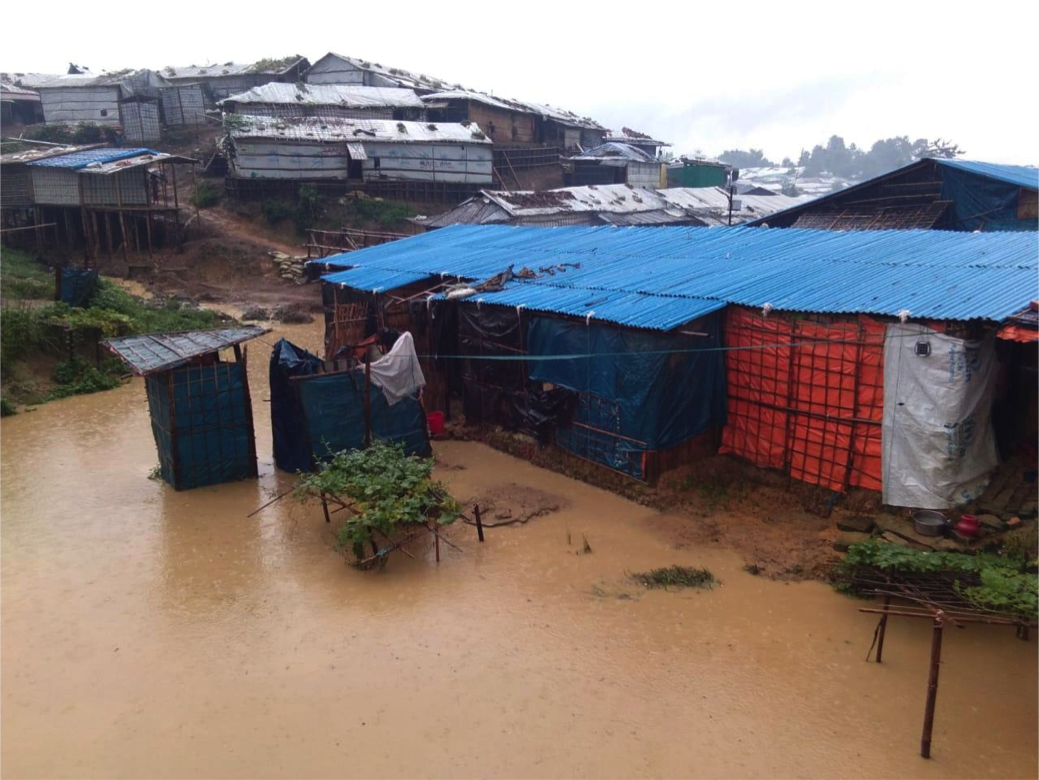
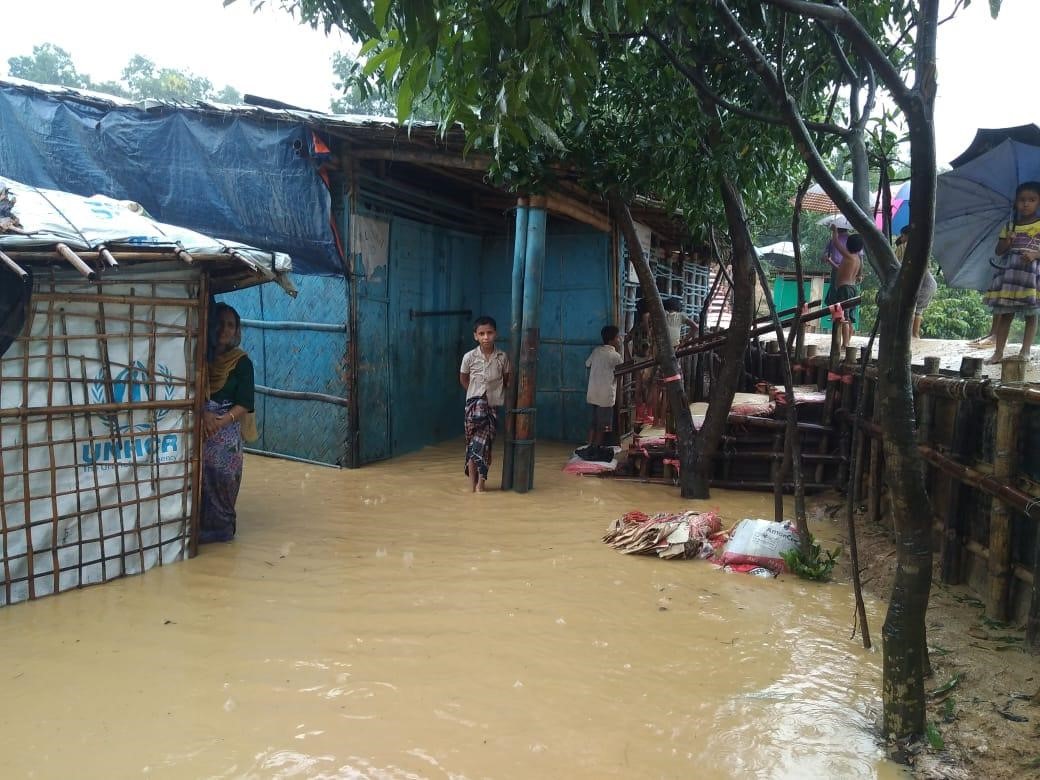
Photo: Balukhali Refugee Camp July 26th 2018
photo: Balukhali Refugee Camp July 26th 2018.


In Bangladesh rains over the summer months have taken a continual toll on the shelters of refugees, particularly in newly settled areas of Kutupalong refugee camp. In 23 interviews with refugees, everyone interviewed said they were in need of building materials to repair their shelters and were unable to obtain adequate amounts of materials to repair the damage done to their homes by the rains. While most were able to obtain some materials, the amounts they obtained were not sufficient to stop leaks or repair roofing. After especially harsh storms shelters were often decimated and most families struggled to obtain tarp and enough bamboo to repair the damage.

A 27-year old man in the camps told BHRN, “We need bamboos, plotting and the big bamboo. We are not getting this.”

While NGOs are present in the area and are given access by authorities, their capacity to address such massive needs seems to be limited. Refugees interviewed by BHRN said all said they were helped by NGOs working in the area, but most expressed frustration about how limited resources were to help repair shelters. These concerns have been raised by refugees in previous years, with NGOs often struggling to meet the needs of refugees during the rainy season. The problem previously seemed to be caused by limited funding and resources, and now it appears the massive influx of new refugees to the area has compounded it.

In regards to illness and disease, many of the refugees BHRN spoke to have family members who had become ill during the rainy season and struggled to receive adequate treatment. The most common complaint of refugees was children suffering from diarrhea, which can be deadly to smaller children who easily become dehydrated. The second most common complaint was that children had developed skin rashes.

A 29 year old man originally from Buthidaung and living in Balukhali told BHRN, “My children have become sick from the rain. Their illness is diphtheria, loose motion and also skin rash. I haven’t been able to receive enough medicine from NGOs. They say to buy it from another shop. The organizations only provided paracetamol and some others.”

Perhaps most worrying, four refugees interviewed by BHRN said someone in their household had diphtheria, a contagious infection which can be deadly if not treated. Each of those interviewed said the member of the household with diphtheria was a child. The infection is rare and can be prevented by vaccination, but experts have been warning since last year that the Rohingya refugee camps in Bangladesh may be vulnerable to an outbreak. Each of those interviewed also said they were having difficulty getting medicine and treatment.

A 55 year old man interviewed by BHRN said, “My wife became sick. She has [hepatitis] C virus. We didn’t receive enough medicine from the NGOs.”.

Generally, refugees said that while they had access to medical care in some capacity, it was insufficient. While they spoke highly of the NGOs working in the camp, most complained there was a shortage of medicine available. A few said when seeking medicine they were only given Paracetamol, despite clearly needing greater attention. The explanation again seems to be lack of funding for NGOs working in the region, which was also a problem prior to the recent influx of more than 700, 000 refugees.

In Balukhali Camp, inside the expanded area of Kutupalong for new refugees, a landslide occurred on 25th July, which sent sand and mud into areas where refugees are living. Those in the area interviewed by BHRN expressed serious concerns that another mudslide would occur, and two said they struggled to sleep when it rained because they were afraid. Refugees in the area complained about damage to shelters and sand and mud running through all their belongings. They knew of no plan to get them to a safer area.


1Names of NGOs withheld

2Beaubien, Jason. National Public Radio 27 January 2018 Rare Disease Finds Fertile Ground In Rohingya Refugee Camps

3Names of NGOs withheld.
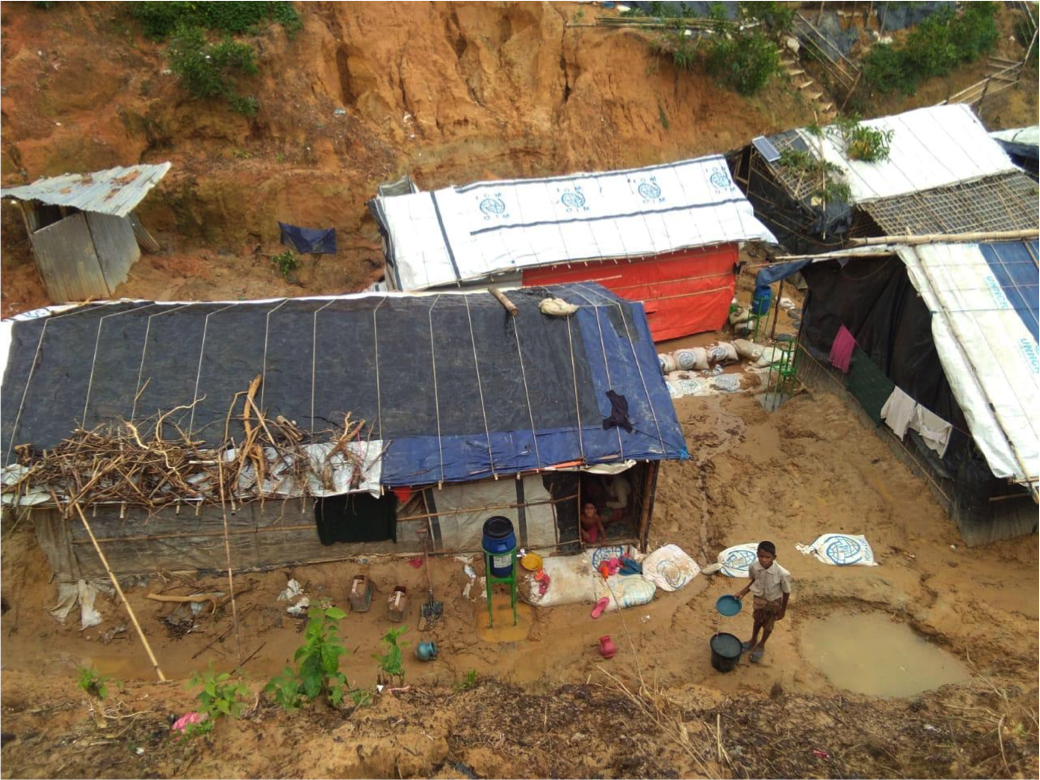


 Photo: Aftermath of mudslide, Balukhali Refugee Camp, Bangladesh. 29 July, 2018.


Northern Rakhine State

BHRN has received continuing reports from researchers and residents living in Northern Rakhine State regarding the current situation on the ground as monsoon season continues. The greatest concerns of residents are continuing travel restrictions, hunger, property damage and increasing spread of illness, disease, and death. While NGOs have obtained greater access to the area, many residents say they are receiving little or no aid due to remaining restrictions or because they are in more remote areas which are thought to be abandoned.

Residents in Buthidaung have reported several cases of flu, especially among children. Those most impacted are in rural areas, which cannot access medical care easily or affordably. The outbreak of flu combined with limited access to food is especially dangerous for small children in the area, with reports from residents saying children have already died as a result. Among them was a report of a 12-year-old girl in Mee Kyaung Zay Village tract in northernButhidaung who died on August 7th, 2018 of the flu because she was unable to receive treatment.

Also of concern are reports that residents with hepatitis B and C have run out of medication. While most of them have remained suffering in their villages hoping care may come, others were said to have fled to Bangladesh hoping to receive care from NGOs working in refugee camps. The pattern of Rohingya slowly trickling out of Burma due to inadequate health care is part of an ongoing trend of displacement through manufactured conditions, which for many become unlivable.

Conclusion

Due to inadequately funded NGOs in Bangladesh and restrictions in Burma, Rohingya are needlessly suffering and dying of preventable or treatable illnesses. The spread of diphtheria and hepatitis B and C are especially worrying and require a significantly larger response to be adequately addressed and to prevent further spreading. Diphtheria is spread from person to person, usually through coughing and sneezing, and appears to have spread significantly through the crowded camps. Hepatitis B and C are more difficult to pass from person to person (Hepatitis B through body fluids and childbirth and Hepatitis C through blood) but further education on the viruses among refugees would help reduce their spread.

The frequency of the flu virus and diarrhea among small children is cause for great concern, as they can easily lead to death when untreated. In Bangladesh, the enormous number of refugees and limited resources of NGOs seem to be the greatest cause for the number of children suffering with limited access to medicine. In Northern Rakhine, this seems to be largely due to restrictions on movement and Rohingya living in remote areas that are overlooked or considered vacant.

The lack of adequate shelters makes some of these illnesses more likely to spread and can lead to several other forms of sickness or disease. While the massive influx of refugees in 2017 has made the 2018 rainy season especially difficult for NGOs to address, the lack of adequate shelter has long been a problem in the Rohingya refugee camps in Bangladesh. There is a constant need for more bamboo and tarps in the camps during the rainy season, which needs to be calculated for.

If this pattern continues it should be expected that some of the illnesses found in the camp, particularly influenza and diphtheria, will spread in greater and greater numbers, risking more lives and costing NGOs more resources to address. It is the responsibility of the international community to recognize these problems early and to address them accordingly in order to save lives and prevent future monetary struggles in addressing new crises.

Recommendations

The international community must reevaluate its plan for the Rohingya living in Bangladesh and Rakhine State. In Bangladesh, an assessment needs to be carried out to predict exactly what will be needed to provide adequate shelter and medicine for the Rohingya living there and serious efforts must be coordinated to acquire the necessary funding to do so.

In Burma, full access needs to be granted to all NGOs working in the state with a comprehensive survey of where those in need are living. Immediate efforts should be made to distribute dehydration packs for small children in remote areas suffering from flu and diarrhea. Similar efforts must be made to emergency supplies, such as high-calorie biscuits, in remote areas where children are significantly malnourished.

Further, efforts should be made to establish sustainable living conditions in rural areas, including short-term aid re-establishing agriculture, animal husbandry and fishing for the Rohingya. Burma must grant freedom of movement for all Rohingya so they can easily travel to seek treatment as emergencies occur, as well as maintain income and livelihoods.


BHRN FULL REPORT PDF

Download (535.34 KB)


Slide backgroundSlide thumbnail
Slide thumbnail
Slide thumbnail
Slide thumbnail
Slide thumbnail
Slide thumbnail
Slide thumbnail
Slide thumbnail
Slide thumbnail
Slide thumbnail
Slide thumbnail
Slide thumbnail
Slide thumbnail

10 February, 2018

Slide thumbnail

February 07 2018, 21:44
MONOLOGUE FOR TWO:
HUMAN RIGHTS ACTIVIST
KYAW WIN

Slide thumbnail
Slide thumbnail
Slide thumbnail
Slide thumbnail
Slide thumbnail
Slide thumbnail
Slide thumbnail
Slide thumbnail
Slide thumbnail
Slide thumbnail

Events

  • CRITICAL RESPONSE EVENT: MYANMAR

    CRITICAL RESPONSE EVENT: MYANMAR

    Zoom Webinar

    Join the Cohen Institute for our first Critical Response Event of the academic year. This lunchtime webinar will feature Kyaw Win, Executive Director of the Burma Human Rights Network, who will discuss the current situation in Myanmar.

    Mr. Win will discuss some of the history of this "nationwide" civil war as well as newly implemented laws that tighten control over civic spaces, grant authorities broad powers to monitor, censor, and criminalize online activity, and impose severe criminal penalties -- including the death penalty -- for criticism or peaceful opposition to the military junta's planned elections.

    The discussion will be facilitated by Dr. Ashley Greene, Cohen Institute Specialist. Critical Response Events are meant to promote dialogue about emerging or ongoing crises across the globe. Guest speakers do not represent the Institute or College.


    DATE & TIME : Tuesday, 23 September 2025: UK 12:00 pm

    Please register at https://tinyurl.com/criticalresponse1


    - Featuring Kyaw Win, Executive Director of the Burma Human Rights Network


    For more information about the meeting, please contact: Kyaw Win, Executive Director of BHRN, This email address is being protected from spambots. You need JavaScript enabled to view it.

  • နွေဦးတော်လှန်ရေးအရွေ့​​နှင့် နိုင်ငံတကာ၏အခန်းကဏ္ဏ

    နွေဦးတော်လှန်ရေးအရွေ့​​နှင့် နိုင်ငံတကာ၏အခန်းကဏ္ဏ

    စစ်အာဏာသိမ်းမှု ၃ နှစ်ပြည့်အထူးစကားဝိုင်း

    စစ်အာဏာသိမ်းမှု ၃နှစ်ပြည့် အထူးစကားဝိုင်းအဖြစ် မြန်မာ့လူအခွင့်ရေးကွန်ရက်(BHRN)က စီစဉ်တဲ့ "နွေဦးတော်လှန်ရေးအရွေ့နှင့် နိုင်ငံတကာ၏အခန်းကဏ္ဍ"ဆွေးနွေးပွဲကို ၂၀၂၄ခုနှစ် ဇန်နဝါရီလ ၂၉ ရက်နေ့ မြန်မာစံတော်ချိန် (7:00 PM)/ ထိုင်းစံတော်ချိန်(7:30 PM)မှာ Zoom ကတဆင့် ပြုလုပ်သွားမှာြဖစ်ပါတယ်

    ဆွေးနွေးပွဲ အစီအစဉ်ထုတ်လွှင့်မှုကို BHRN Facebook Page မှာ Live လွှင့်သွားမှာဖြစ်ပြီး မိတ်ဖက်မီဒီယာတွေဖြစ်တဲ့ Mizzima, Khit Thit Media, Myanmar Press Agency (MPA), Than Lwin Times, Mekhong, Federal FM, Federal Journal, GSCN, People's Radio Myanmar, မြေလတ်အသံနဲ့ သံလွင်ခတ်တို့မှာလည်း တပြိုင်နက် တင်ဆက်သွားမှာဖြစ်ပါတယ်။

    ပါဝင်ဆွေးနွေးမယ့်သူတွေကတော့ -


    DATE & TIME : Monday, 29 January 2024: Yangon 7:30 pm, Bangkok 7:00 pm

    Please register at https://www.facebook.com/bhrnuk


    Kyaw Win - Founder and Executive Director of the Burma Human Rights Network


    Moe Htet Nay - Advisory of Research & Politics (Nyan Lynn Thit Analytica)


    Khin Ohmar- Chairperson of Progressive Voice


    Herry Myo Lin - Moderator


    For more information about the meeting, please contact: Kyaw Win, Executive Director of BHRN, This email address is being protected from spambots. You need JavaScript enabled to view it.

  • SEEKING JUSTICE AND ACCOUNTABILITY FOR THE ROHINGYA

    SEEKING JUSTICE AND ACCOUNTABILITY FOR THE ROHINGYA

    SEEKING JUSTICE AND ACCOUNTABILITY FOR THE ROHINGYA

    On 24 August 2023, the Burma Human Rights Network (BHRN) will host a panel discussion with members of the Rohingya community, civil society leaders, legal experts, and the National Unity Government (NUG). The meeting will provide an opportunity for participants to discuss:

    • The human rights situation of the Rohingya in Bangladesh and post-coup Myanmar.
    • Updates on the Gambia v. Myanmar genocide case brought before the International Court of Justice (ICJ) and other ongoing international justice mechanisms.
    • Updates from the NUG on the appointment of a Rohingya representative and their plans to address the human rights of the Rohingya.
    • Effective measures to end all forms of human rights violations and abuses against Rohingya Muslims as well as other minorities in Myanmar.
    Background:

    August 25th 2023 will mark six years since the Myanmar military led a campaign of killings, mass rape and arson against the Rohingya in northern Rakhine State, killing thousands and forcing over 730,000 to flee to Bangladesh. In the six years since the military’s atrocities, the situation for Rohingya in Myanmar and abroad offers a dismal reflection of justice delayed.

    Nearly 600,000 Rohingya remain trapped in Rakhine State under a system of discriminatory laws and policies that amount to crimes against humanity and genocide. Since the attempted military coup on 1 February 2021, Rohingya have been subjected to tightened restrictions on their fundamental freedoms.

    Rohingya who have fled Myanmar and managed to reach Thailand, Malaysia, Indonesia, or India live under the constant threat of arrest, detention, and forced return to military-controlled Myanmar. In Bangladesh, one million Rohingya refugees who were forcibly displaced by the Myanmar military, remain in sprawling refugee camps in southern Bangladesh Cox's Bazar District where government is restricting their rights including education and freedom of movement.

    The coup has made clear that the ongoing atrocities in Myanmar are a direct consequence of a military that for decades has faced no consequences for its crimes. Despite the longstanding evidence of widespread and systematic human rights violations, impunity remains nearly absolute. However, efforts are ongoing at the international level to ensure legal accountability are ongoing at the International Court of Justice (brought by the Gambia against Myanmar) and the International Criminal Court. Steps to this end have also been taken at the national level, including in Argentina, Indonesia, Turkey, and a pending case filed in Germany.


    DATE & TIME : Thursday, 24 August 2023: London 1:30 pm, Bangkok 7:30 pm

    Please register at https://www.facebook.com/bhrnuk


    Opening remarks by Kyaw Win, Founder and Executive Director of the Burma Human Rights Network

    Panel Discussion: Updates on Human Rights of Rohingya in Bangladesh and Myanmar

    Tun Kin - President of the Burmese Rohingya Organisation UK (BROUK), to provide an update on the human rights situation in Rakhine State and the case brought by BROUK in Argentina on the genocide against the Rohingya.


    Lucky Karim- a Rohingya human rights defender, to provide an update on the human rights situation of the Rohingya in Bangladesh.


    Christopher Gunness - Director of the Myanmar Accountability Project (MAP), to provide an update on the criminal case filed by MAP in Turkey covering widespread torture since the 2021 Myanmar coup.


    Pavani Nagarajabhat - Investigations Associate at Fortify Rights, to provide an update on the criminal complaint filed in Germany against Myanmar Generals for atrocity crimes.


    Mr Hussein Thomasi - Solicitor General of The Gambia, to provide an update on the genocide case brought against Myanmar at the International Court of Justice (ICJ).


    Veronica Pedrosa - Moderator : Senior Interview Producer at Al Jazeera


    For more information about the meeting, please contact: Kyaw Win, Executive Director of BHRN, This email address is being protected from spambots. You need JavaScript enabled to view it.

  • WE ALSO HAVE DREAM

    WE ALSO HAVE DREAM

    "We Also Have Dreams”

    Burma Human Rights Network (BHRN) will launch a report based on over a year of research in the Rohingya refugee camps in Bangladesh. “We Also Have Dreams” details the human rights problems and quality of life concerns in the Rohingya refugee camps in Bangladesh. The report uses information and insights gathered from the refugees in the camps about their experiences, both good and bad, the rights challenges they face, and the hopes and dreams they have. This report gives a voice to the refugees, enabling them to speak for themselves and reach a wider audience in the world.

    Report Launch & Press Conference

    When Tuesday 08 February 2022: London 4:00 am, Bangkok 11:00 am

    How

    Please register in advance to participate in the Q&A session at https://bit.ly/3uyc9SL


    A panel of speakers will be present at the press conference, including:

    Kyaw Win - Founder and Executive Director of Burma Human Rights


    Phil Robertson - Deputy Asia Director of Human Rights Watch


    Hajee Ismail. - Managing director, Rohingya Peace Network


    Debbie Stothard - Founder and coordinator, ALTSEAN-Burma.


    BHRN warmly welcomes in person attendance at the launch and panel discussion on February 8 at the Foreign Correspondents’ Club Thailand. The event will also be broadcast on live via the FCCT Facebook page (https://www.facebook.com/FCCThailand/). Please join us for this important event!

  • BRAZEN TYRANNY of MYANMAR MILATARY

    BRAZEN TYRANNY of MYANMAR MILATARY

    "BRAZEN TYRANNY of MYANMAR MILITARY

    February 1 marks the first anniversary of the Burmese military’s coup against the country’s democratically elected government. Since then, the military has unleashed horrors on a civilian population unwilling to accept their illegitimate rule. Restrictions and crackdowns spread as the population peacefully resisted the regime, leading the people of Myanmar to form self-defense forces known as PDFs. A full-blown civil war is on the horizon.

    Report Launch & Press Conference

    When Tuesday 01 February 2022: London 4:00 am, Bangkok 10:00 am

    How

    Please register in advance to participate in the Q&A session at https://bit.ly/3GerxGb


    Speakers

    Kyaw Win - Founder and Executive Director of Burma Human Rights


    Phil Robertson - Deputy Asia Director of Human Rights Watch


    Pan Hsu Pyae Eain - Research Coordinator of Athan Freedom Of Expression Activist ORganization


    This event is free and open to all and will be livestreamed on the FCCT's Facebook page

  • “BEFORE OUR VERY EYES”

    “BEFORE OUR VERY EYES”

    "Before Our Very Eyes

    Myanmarʼs Military Junta commits Crimes Against Humanity while the International Community Fails to Act

    Report Launch & Press Conference

    This report was prepared by Erin Farrell Rosenberg .1 It was reviewed by Ambassador Stephen J. Rapp and one expert in international criminal law who wishes to remain anonmous. The author and BHRN would like to acknowledge and express their appreciation to Ms. Nadira Kourt for her incredibly helpful feedback on drafts of this report. This report would not have been possible without the extraordinary efforts to collect and document information by BHRN’s UK and Burma-based staff and intermediaries, many of whom carried out this vital work in dangerous circumstances to themselves and their loved ones.

    When Thursday 29 December 2021: London 4:00 am, Bangkok 10:00 am

    How

    Please register in advance to participate in the Q&A session at https://www.facebook.com/266552830096341/


    Presenter

    Veronica Pedrosa

    Speakers

    Kyaw Win - Founder and Executive Director of Burma Human Rights


    Amb. Stephen Rapp - USenior Fellow at US Holocaust Museum and Oxford University, former US Ambassador-at-Large for Global Criminal Justice


    Dr Sa Sa - Union Minister of the Ministry of International Cooperation and Spokesperson of the National Unity Government of Myanmar, and Former Myanmar Special Envoy to the United Nations


    Erin Rosenberg - Independent Legal Consultant


    Maung Moe - A journalist that cover extensively the brutality of the fascist military during the crackdown


  • The Coming Extinction: The Moken People Of Burma

    The Coming Extinction: The Moken People Of Burma

    လူမျိုးသုဉ်းခံရတော့မဲ့ မြန်မာ့မြေပေါ်မှစလုံလူမျိုးများ

    စလုံလူမျိုးများသည်မြန်မာနိုင်ငံတွင် ရှေးယခင်ကတည်းက နေထိုင်လာသော ပင်လယ်ပျော် လူမျိုးစု ဖြစ်သည်။ ဤ ဆွေးနွေးပွဲသည် စလုံလူမျိုးတွေ ရင်ဆိုင်နေရသည့်လူ့အခွင့်အရေးချိုးဖောက်ခံနေရမှူကို အချိန်မှီ မတားစီးနိုင်ပါက လူမျိုးတုန်းပျောက်ကွယ်နိုင်သည့်အန္တ္တရာယ်နှင့် ရင်ဆိုင်ရနိုင်ကြောင်း သုတေသန စာတမ်းဖြင့် တင်ပြမှာဖြစ်ပါတယ်။

    The Coming Extinction: The Moken people of Burma

    The Moken people are an ancient tribe of sea nomads who reside in the waters around Burma. Their population is now left around 1700. During this report launch we will discuss the human rights violations that will erase the Moken out of existence if not stopped.

    What
    Online press conference and BHRN report launch via Zoom, including a Q&A session

    When Wednesday 16 December 2020: London 3:00 am, Yangon 9:30 am, Bangkok 10:00 am

    How

    Please register in advance to participate in the Q&A session at https://events.bhrn.org.uk/TheMoken


    Presenter

    Lilianne Fan

    Speakers

    Kyaw Win - Founder and Executive Director of Burma Human Rights


    Mr Fracisco Cali Tzay - UN Special Rappor On the Rights of Indigenous People


    Regina Paulose - International Criminal Law Attorney


    Ko Zayar Hlaing - Editor and Co-Founder Mawkun (The Chronicle) Magazine


  • NOWHERETORUN REPORT LAUNCH & PRESS CONFERENCE

    NOWHERETORUN REPORT LAUNCH & PRESS CONFERENCE

    "NOWHERE TO RUN"

    Report Launch & Press Conference


    Wed, 26 August 2020
    15:00 – 16:00 UK-Time

    SPEAKERs


    {{ Kyaw Win }} is the founder and Executive Director of the Burma Human Rights Network (BHRN) in London. He leads several different teams inside of Myanmar who are documenting human rights violations, violation of freedom of religion, the spread of hate speech and anti-Muslim pogroms.

    {{ Veronica Pedrosa }} is more than 20 years experience as a journalist and communicator, and she has played a key role at CNN, BBC World News, BBC World Service and Al Jazeera English, responding to breaking news, shaping coverage, managing and providing leadership to multicultural teams of journalists. Ms. Pedrosa is a communicator who is in demand to speak, host and moderate at international conferences, focusing on development, humanitarian issues, the environment and journalism. In the past, Ms. Pedrosa has worked with heads of state, high government officials, experts and philanthropists to produce informative debates on complex and controversial issues.cite>

    {{ Htike Htike }} is a Rohingya researcher, human rights defender and refugee advocate from Rakhine State, Myanmar. Htike holds a Master’s degree (MSc) in “The Politics of Conflict, Rights and Justice” from the School of Oriental and African Studies (SOAS), the University of London. Htike will be pursuing her PhD studies in Queen Mary, University of London, in September 2020.

    Since 2004, Htike has been involved in community development, humanitarian and protection work with Myanmar civil society, international organisations and the United Nations (UN) in Rakhine State, Irrawaddy Delta region and Yangon, Myanmar. From 2012 to 2018, She was involved with ASEAN grassroots movements for peace and democratisation in the region and she worked with the detainees, and refugees in Thailand and Indonesia. Htike established field-based networks to collect evidence and document human rights violations in Myanmar and Thailand including during the violence and mass displacement of Rohingya communities in 2016 and 2017.

    {{ Dr. Habib Ullah }} was born in an ethnic well-known Rohingya family in 1980. His father Saleh Ahmed was one of the pioneers of Rohingya movement in Arakan Burma (currently known as Rakhine, Myanmar). He has earned PhD in Electrical, Electronics and System Engineering from Universiti Kebangsaan Malaysia (UKM) in 2014 and served as Post- Doctoral Research Fellow in University Malaya under the department of Electrical Engineering, Faculty of Engineering three years. He has also been awarded his B.Sc Honors in Computer and Communication Engineering from International Islamic University Chittagong (IIUC), Bangladesh and M.Sc degree in Communication Engineering from International Islamic University Malaysia (IIUM) in 2003 and 2011.

    He worked as research assistant in several research project funded by government and non-government organization. He has authored and co-authored more than 50 International peer-reviewed journal articles and presented research work in 9 international conferences and published 8 book chapters. I was awarded as young scientist by International Union of Radio Science (URSI) in 2012, Zamalah research fellowship and best PhD research presenter in Universiti Kebangsaan Malaysia SPSA 2012. I was involved in Rohingya activity since childhood and actively serving as a member of Arakan Rohingya National Organization (ARNO) since 1999. He started working with ARNO as student member, in-charge education and youth development projects, representative in Malaysia till 2015. Currently, He is serving as ARNO central committee member, chair of Information and media department and representative for the United States of America.

    {{ Khin Ohmar }} is an experienced human rights, peace, justice and gender equality advocate from Burma and founder and chairperson of the Advisory Board of Progressive Voice, a local human rights research and advocacy organization.

    {{ Rachel Fleming }} is an independent consultant and human rights researcher who has spent 12 years working on human rights issues in Burma/Myanmar. Rachel primarily works to support local human rights organisations in their vital efforts to bring to light human rights violations, especially those impacting marginalised groups. She holds an MA in Human Rights Law with Distinction from the School of Oriental and African Studies, University of London.

    Location
    ZOOM
    TO REGISTER

  • ‘The Challenges of Human Rights in Burma’

    ‘The Challenges of Human Rights in Burma’

    ‘The Challenges of Human Rights in Burma’

    Tue, 19 November 2019
    13:00 – 14:30 GMT


    Kyaw Win is the founder and Executive Director of the Burma Human Rights Network (BHRN) in London. He leads several different teams inside of Myanmar who are documenting human rights violations, violation of freedom of religion, the spread of hate speech and anti-Muslim pogroms.

    Location
    University of Essex Colchester Campus
    Human Rights Seminar room, 5S.6.25
    Colchester
    CO4 3SQ

  • MYANMAR'S KILLING FIELDS + Q&A (12A)

    MYANMAR'S KILLING FIELDS + Q&A (12A)

    Sunday 28 Apr 2019, 13:00
    Membership discount will be applied after selecting your tickets

  • The ROHINGYA crisis : 6 Months on

    The ROHINGYA crisis : 6 Months on

  • Religious Intolerance in Burma

    Religious Intolerance in Burma

  • Human Rights and Violence In Regional ASEAN

    Human Rights and Violence In Regional ASEAN

  • PERSECUTION OF MUSLIMS IN BURMA
    PERSECUTION OF MUSLIMS IN BURMA