
1Overview
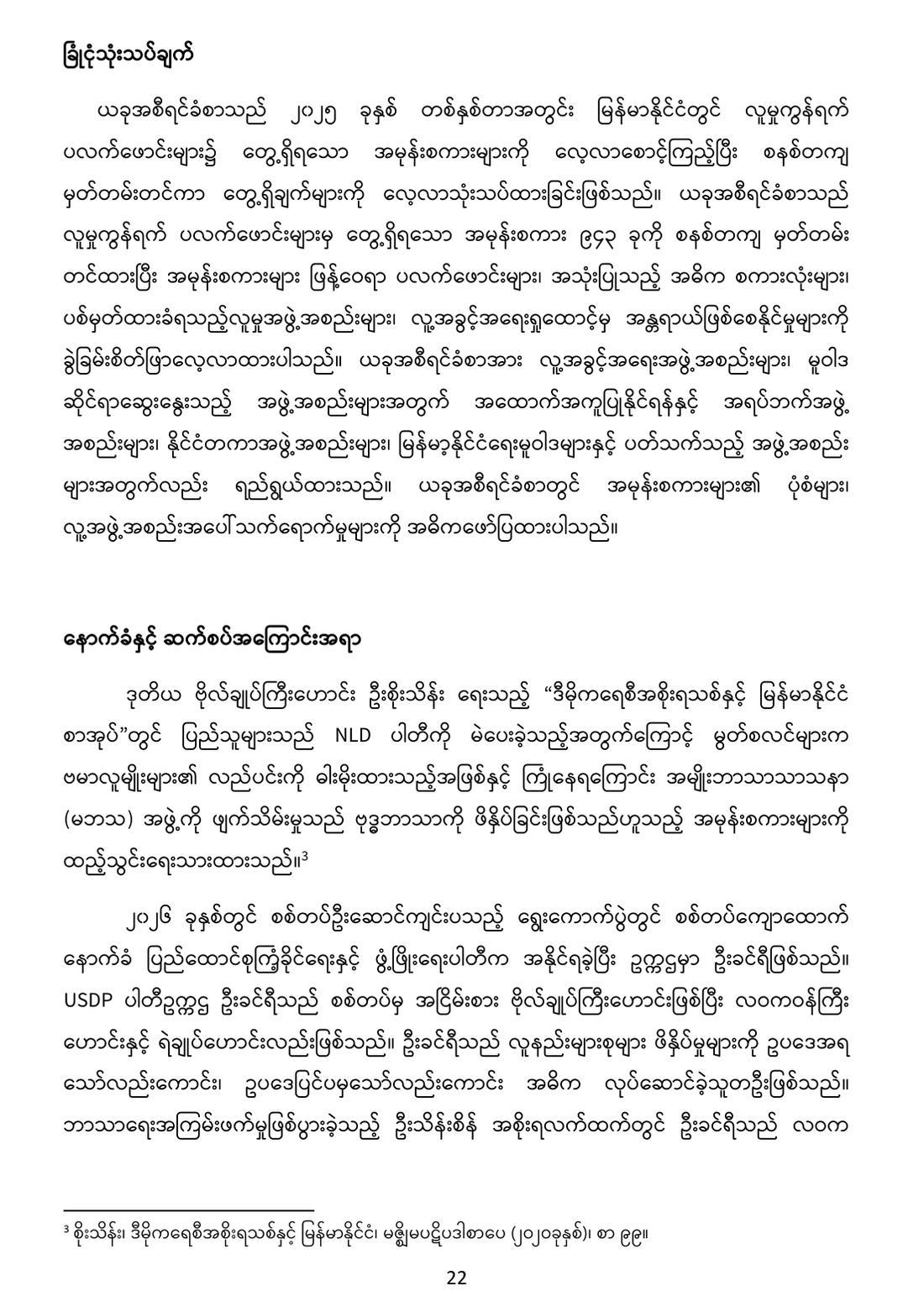
This report systematically documents and analyzes hate speech identified on social media platforms in Myanmar throughout the year 2025. The study involves monitoring online platforms, recording instances of hate speech, and analyzing the patterns and implications of such content.
A total of 943 instances of hate speech found on social media platforms were systematically recorded. The report analyzes the platforms through which hate speech was disseminated, the key terms and narratives used, the social groups targeted, and the potential risks from a human rights perspective.
The report is intended to support human rights organizations, policy discussion groups, civil society organizations, international organizations, and institutions engaged in Myanmar-related political and policy issues. It primarily highlights the patterns of hate speech and their impacts on society.
2Background and Context
In the book “The New Democratic Government and Myanmar” written by former Lieutenant General U Soe Thein, it is stated that because the public voted for the National League for Democracy (NLD), Muslims were portrayed as “holding a knife to the necks of the Bamar people.” The book includes hate speech narratives claiming that the dissolution of the Ma Ba Tha (Association for the Protection of Race and Religion) constituted an act of oppression against Buddhism.1
In 2026, in the election organized under military leadership, the military-backed Union Solidarity and Development Party (USDP) won the election, with U Khin Yi serving as its chairman. U Khin Yi is a retired military lieutenant general and a former Minister of Immigration as well as a former Police Chief. He is widely associated with actions that contributed to the oppression of minority groups, both through legal frameworks and extrajudicial practices.
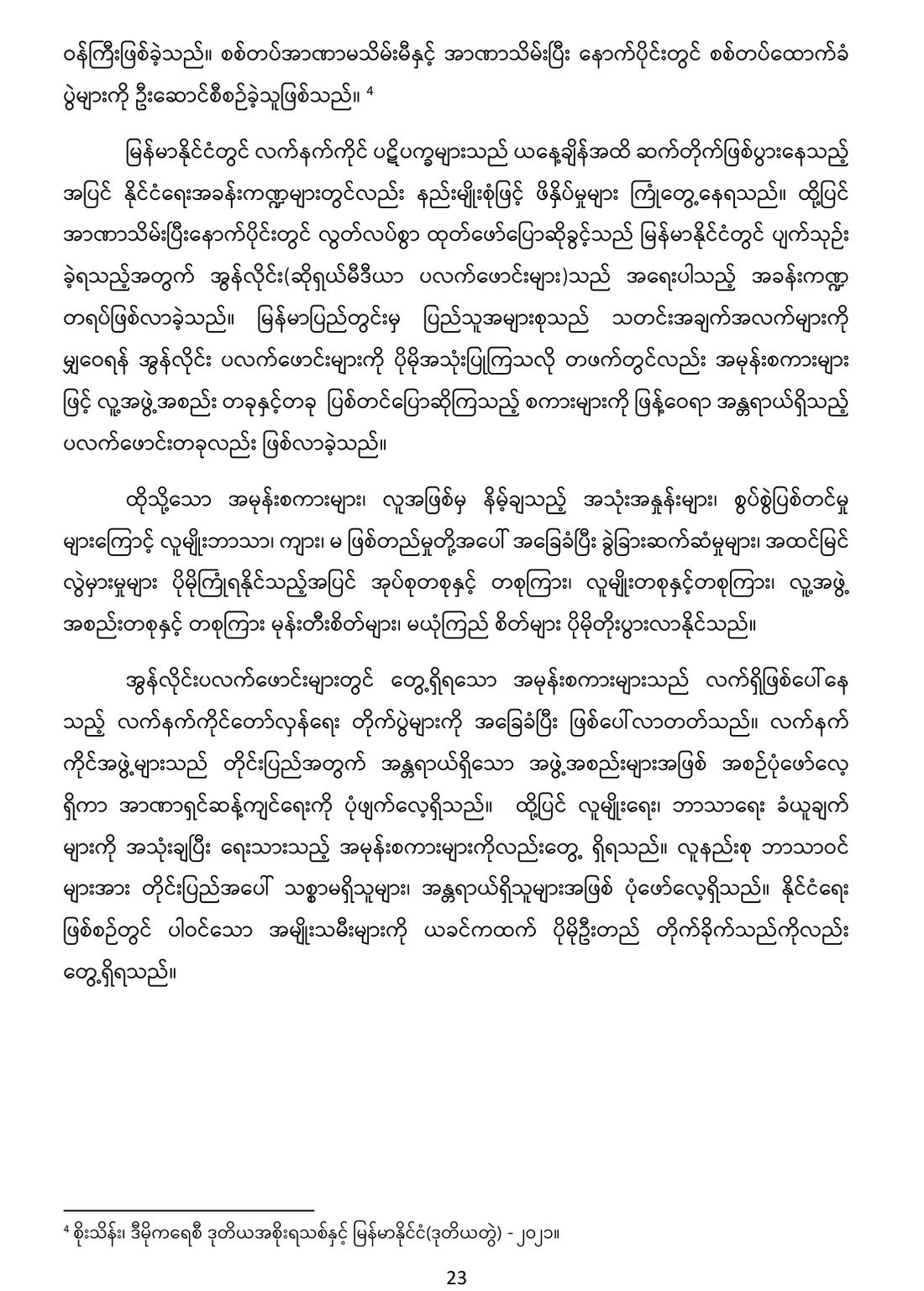
During the administration of President U Thein Sein, when religious violence occurred in Myanmar, U Khin Yi served as Minister of Immigration. He also played a leading role in organizing pro-military rallies both before and after the military coup.2
Armed conflicts in Myanmar continue to occur to this day, while various forms of repression are also experienced in political spaces. After the military coup, freedom of expression significantly deteriorated in Myanmar, which has led online platforms (social media platforms) to become an increasingly important arena for communication.
Many people inside Myanmar now rely heavily on online platforms to share information. However, these platforms have also become spaces where harmful narratives and hate speech targeting different communities are widely disseminated. Such hate speech, dehumanizing language, and accusations can intensify discrimination and misunderstandings based on ethnicity, religion, and gender identity, while also increasing hostility and mistrust between different groups, ethnic communities, and segments of society.
Hate speech observed on online platforms is often connected to the ongoing armed resistance and conflicts in the country. Armed groups are frequently portrayed as threats to the nation, while anti-authoritarian movements are often distorted or misrepresented. In addition, hate speech exploiting ethnic and religious sentiments is also commonly observed. Minority religious communities are often depicted as disloyal or dangerous to the country. Furthermore, women who participate in political processes appear to be targeted with attacks more frequently than in the past.
3Methodology
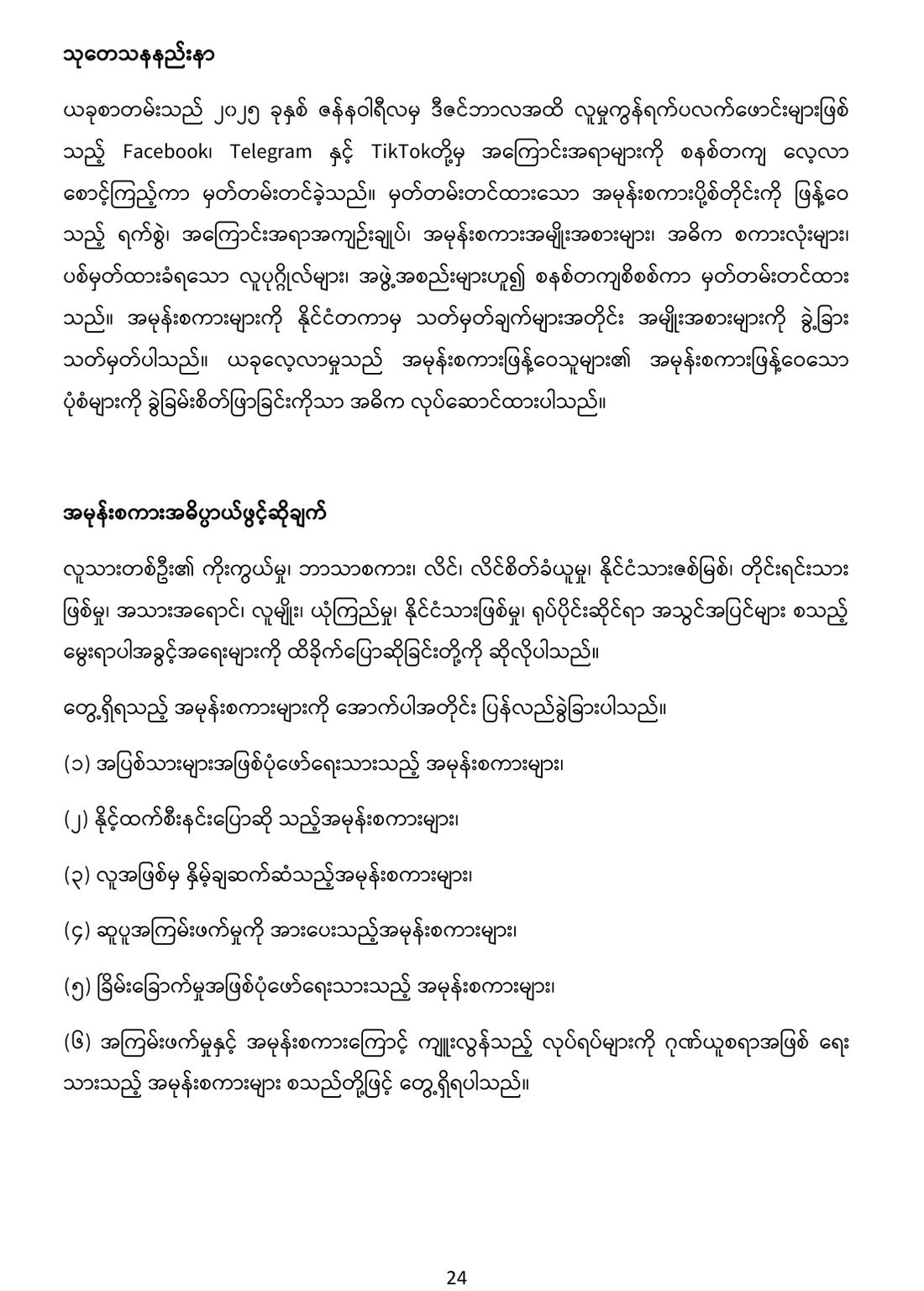
This study systematically monitored and recorded content from January to December 2025 on social media platforms including Telegram, Facebook, and TikTok.
Each recorded hate speech post was documented using a structured framework that included the date of dissemination, a summary of the content, types of hate speech, key terms used, and the individuals or groups targeted. The classification of hate speech was conducted according to internationally recognized definitions and standards.
The primary focus of this study is to analyze the patterns and methods used by actors who disseminate hate speech, rather than to investigate the individuals responsible for producing the content.
4Definition of Hate Speech
Hate speech refers to expressions that harm or target an individual or group based on inherent characteristics, including religion, language, gender, sexual orientation, nationality, ethnicity, race, skin color, beliefs, citizenship, or physical appearance.
The hate speech identified in this study is categorized as follows:
- Criminalization-based hate speech – narratives that portray individuals or groups as inherently guilty or responsible for wrongdoing.
- Abusive or degrading hate speech – language intended to insult, humiliate, or demean.
- Dehumanizing hate speech – expressions that deny or diminish the humanity of individuals or groups.
- Incitement to violence – content that encourages or promotes violent actions.
- Threat-based hate speech – narratives that frame individuals or groups as threats or include direct or implied threats against them.
- Glorification of violence – content that praises or justifies acts of violence or hate- driven actions.
5Key Trends and Findings
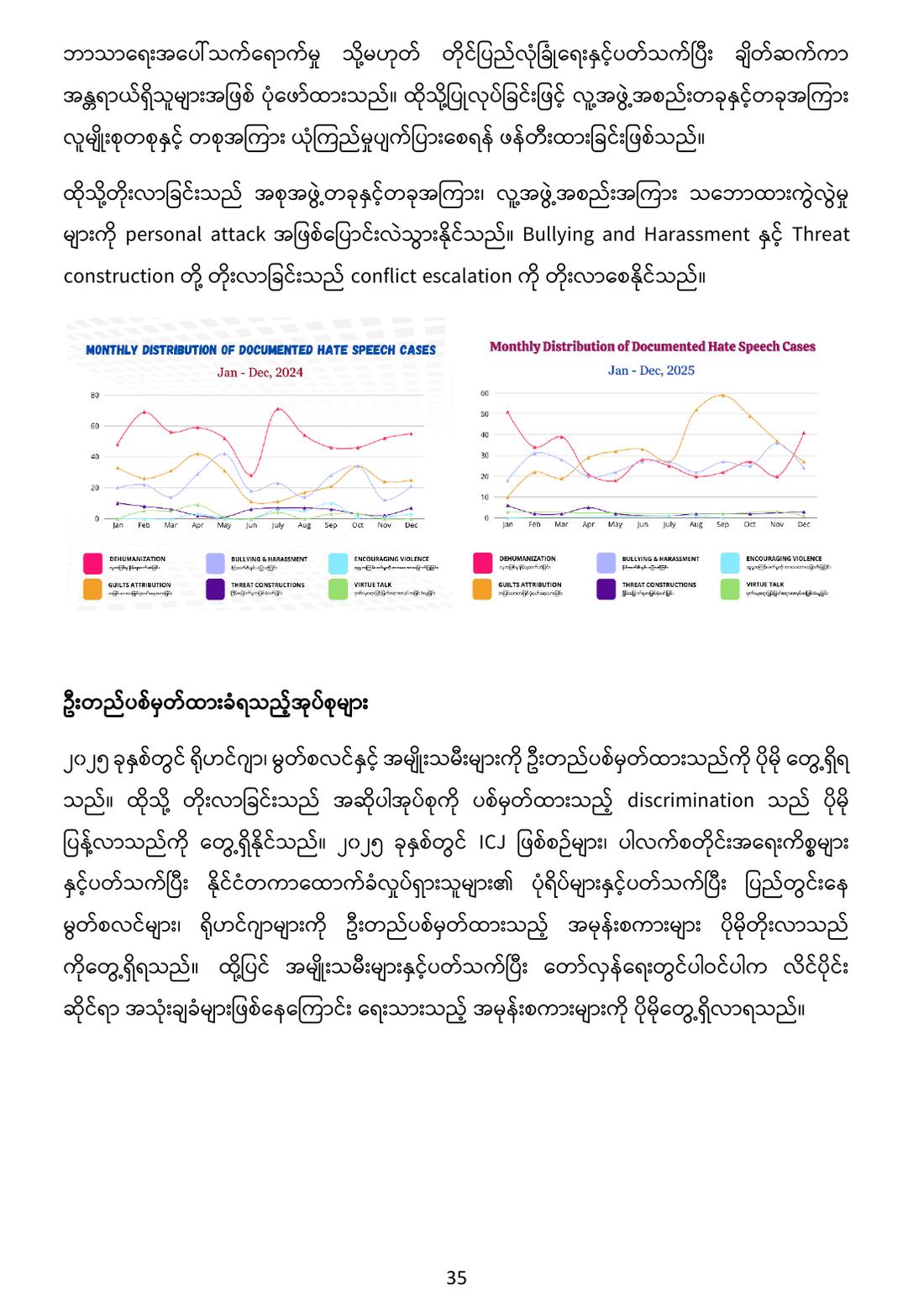
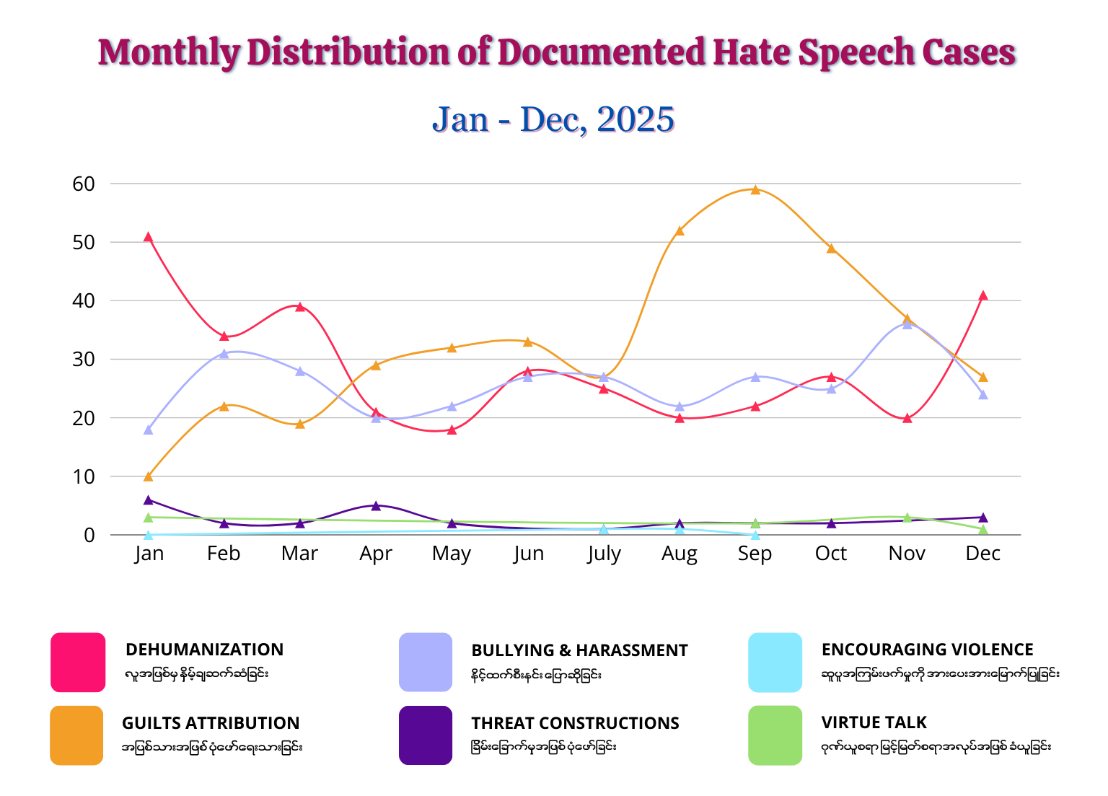
Throughout 2025, hate speech monitoring was conducted and documented on a monthly basis. The findings indicate that there was no overall decline in the prevalence of hate speech during the year. While certain months showed a slight decrease in recorded cases, other months experienced increases. Overall, across the entire year, there was no significant or sustained reduction in hate speech.
6Platforms and Dissemination
Among the documented cases, Telegram accounted for the highest number of hate speech instances. This is largely due to its channel-based dissemination system, which allows content to reach large audiences simultaneously. In addition, Telegram’s relatively weak enforcement of policies related to hate speech enables repeated dissemination of harmful content and contributes to its high level of reach and amplification.
Furthermore, due to strict internet restrictions imposed by the military authorities in Myanmar following the coup, many users have increasingly relied on Telegram as a primary communication platform. As a result, Telegram has become the most high-risk social media platform for the spread of hate speech.
On TikTok, the number of detected hate speech cases remains lower than on Telegram; however, there has been a gradual increase compared to previous years. Restrictions on internet usage in Myanmar, along with the criminalization of VPN use, have contributed to the growing popularity of TikTok. Consequently, the dissemination and reach of hate speech content on TikTok have also expanded.
Although Facebook has implemented stricter community standards and policies related to hate speech and human rights, hate narratives related to Myanmar continue to be observed on the platform.

7Targeted Groups
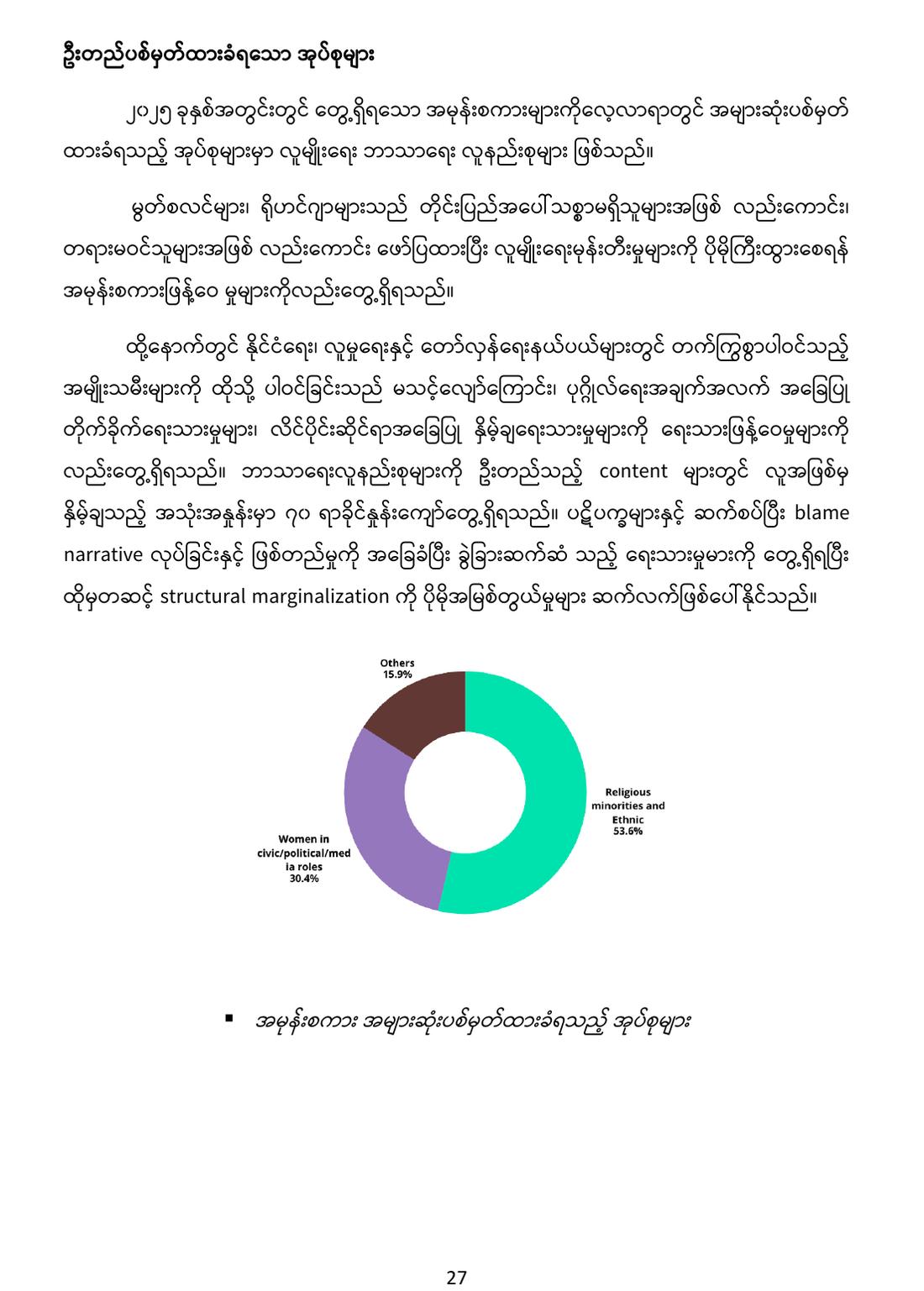
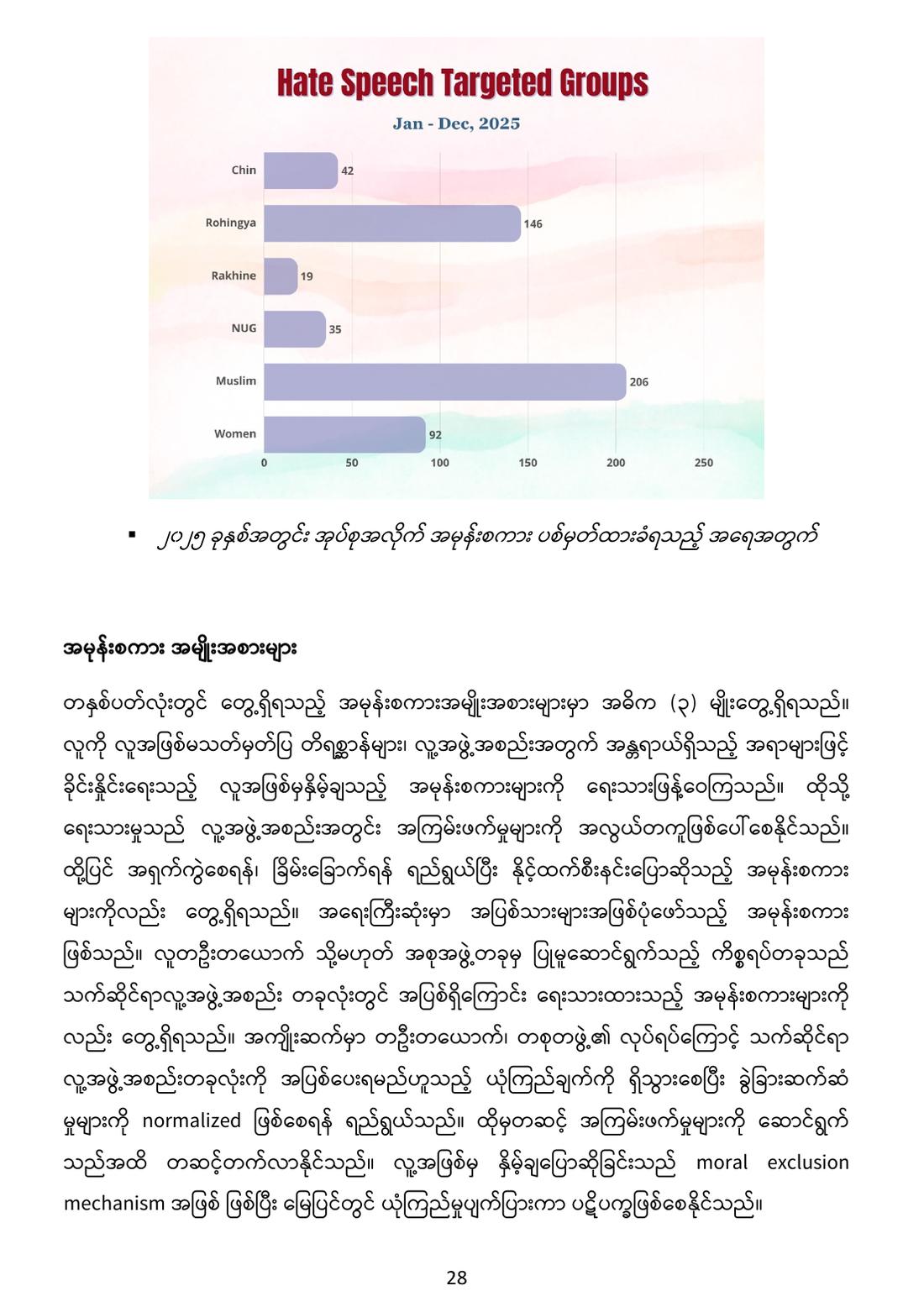
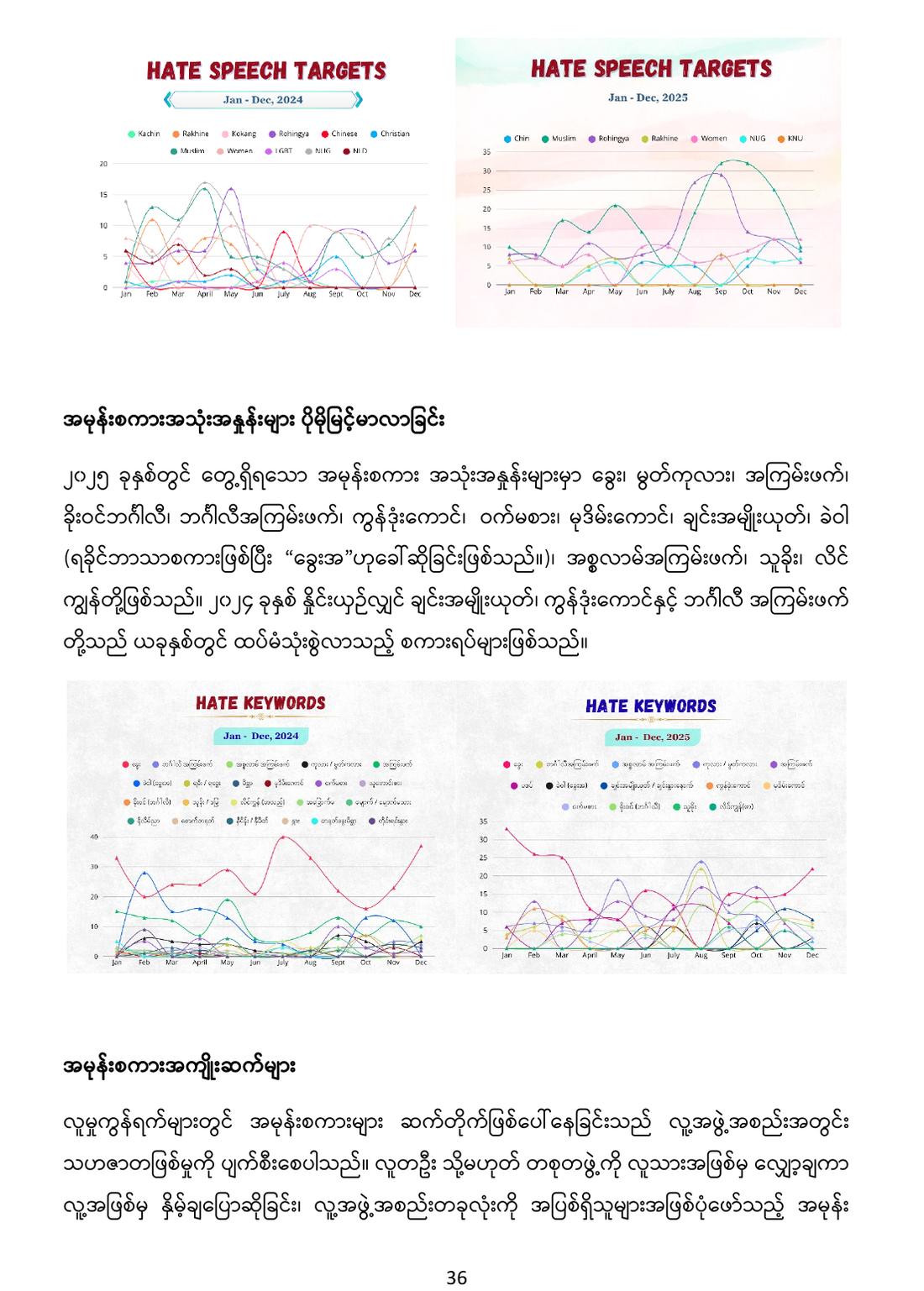
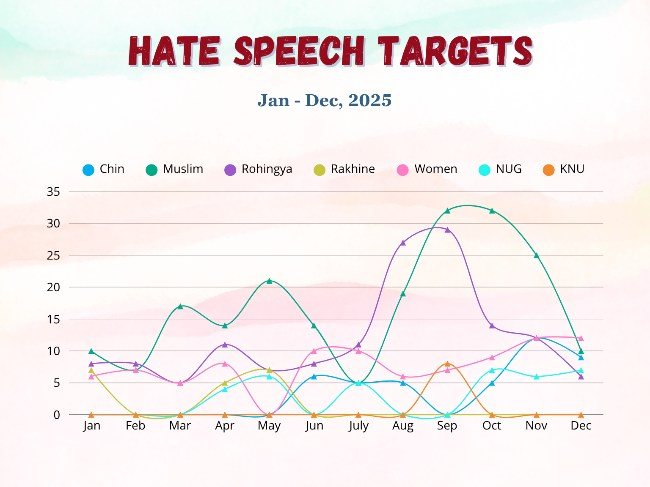
Analysis of hate speech observed throughout 2025 indicates that the most frequently targeted groups were ethnic and religious minorities.
In addition, minority communities were also subject to targeted attacks. Muslims and Rohingya, in particular, were frequently depicted as disloyal to the country or as illegal populations, with hate speech contributing to the amplification of ethnic and religious hostility.
Furthermore, women actively participating in political, social, and resistance movements were increasingly targeted. Hate speech directed at these women often framed their participation as inappropriate, and included personal attacks based on private information as well as gender-based and sexually degrading language.
Content targeting religious minorities showed a particularly high level of dehumanizing language, accounting for over 70 percent of such cases. Additionally, narratives associated with ongoing conflicts frequently involved blame attribution and identity- based discrimination, which may further reinforce and entrench structural marginalization within society.


8Forms of Hate Speech
Across the year, three primary forms of hate speech were identified.
First, dehumanizing hate speech was widely observed. This form involves portraying individuals or groups as less than human by comparing them to animals or to entities perceived as threats to society. Such narratives can lower social inhibitions against violence and make acts of aggression more likely within communities.
Second, hate speech intended to humiliate, intimidate, or dominate was also prevalent. This includes the use of degrading, threatening, and abusive language designed to shame or silence targeted individuals or groups.
Third, and most significantly, was criminalization-based hate speech, in which entire communities are portrayed as inherently guilty or responsible for certain actions. In these cases, the actions of an individual or a specific group are generalized to assign blame to a broader community. This type of narrative fosters the belief that entire groups deserve punishment for the actions of a few, thereby normalizing discrimination.
Such narratives can escalate beyond discrimination and contribute to the justification of collective punishment and violence. Dehumanization, in particular, functions as a mechanism of moral exclusion, weakening social trust and increasing the likelihood of conflict at the community level.

9Illustrative Case Studies and Hate Speech Scenarios
Case Study 1: Dehumanization of Ethnic and Religious Minorities
Throughout 2025, there was a consistent pattern of hate speech targeting minority communities, particularly along ethnic and religious lines. These narratives frequently dehumanized minority groups by comparing them to animals and portraying them as inferior beings.
In addition, minority communities were often likened to harmful diseases or threats to public safety, suggesting that they pose a danger to society. Some content further alleged that these groups were continuously involved in violent activities.
Although such narratives were sometimes framed as warnings or cautionary messages to the public, in practice they functioned to depict minority communities as parasitic threats that must be eliminated from society. This type of messaging can incite hostility and justify exclusion or violence against targeted groups.
The repeated dissemination of such content reinforces harmful stereotypes, leading audiences to internalize the perception that these communities are genuinely dangerous. Over time, this contributes to increased social division, discrimination, and the risk of intergroup violence.
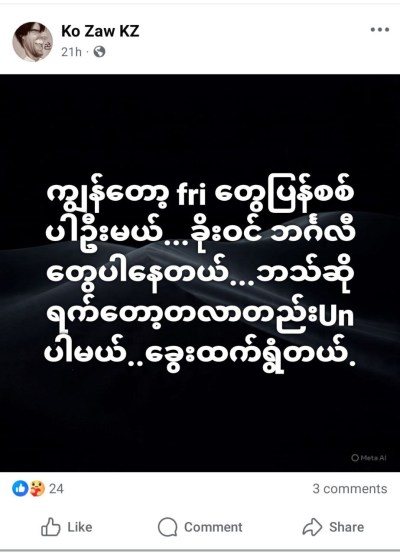
Case Study 2: Gender-Based Harassment and Silencing
In Myanmar, open discussion of sexual matters remains widely constrained by social norms. Within this context, hate speech actors frequently target women who are actively engaged in politics, resistance movements, humanitarian work, and media by portraying them as sex workers or as individuals being sexually exploited by men.
Rather than engaging with their ideas, beliefs, or political positions, such attacks focus on physical appearance, personal defamation, and sexual allegations. These narratives are used to publicly discredit women by portraying them as morally compromised, with the intention of undermining their credibility and discouraging their continued involvement in human rights and public affairs.
As a result, many women subjected to such online harassment become reluctant to speak out in public. They may choose to withhold their opinions and limit their participation, creating significant barriers to freedom of expression. The number of women willing to continue speaking out despite such attacks also appears to decline.
These patterns contribute to the reinforcement of patriarchal norms in Myanmar society. They may also promote the belief that women should avoid political engagement or public visibility due to the risk of gender-based attacks. Importantly, gender-based hate speech is not only directed at individual women but also functions as a broader strategy to exclude women from political and public spheres.
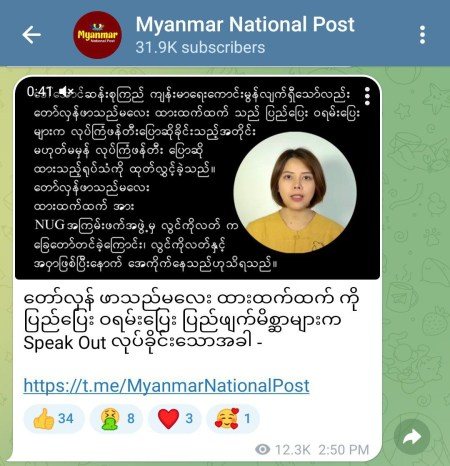


Case Study 3: Cross-Platform Dissemination and the Challenges of Policy Enforcement
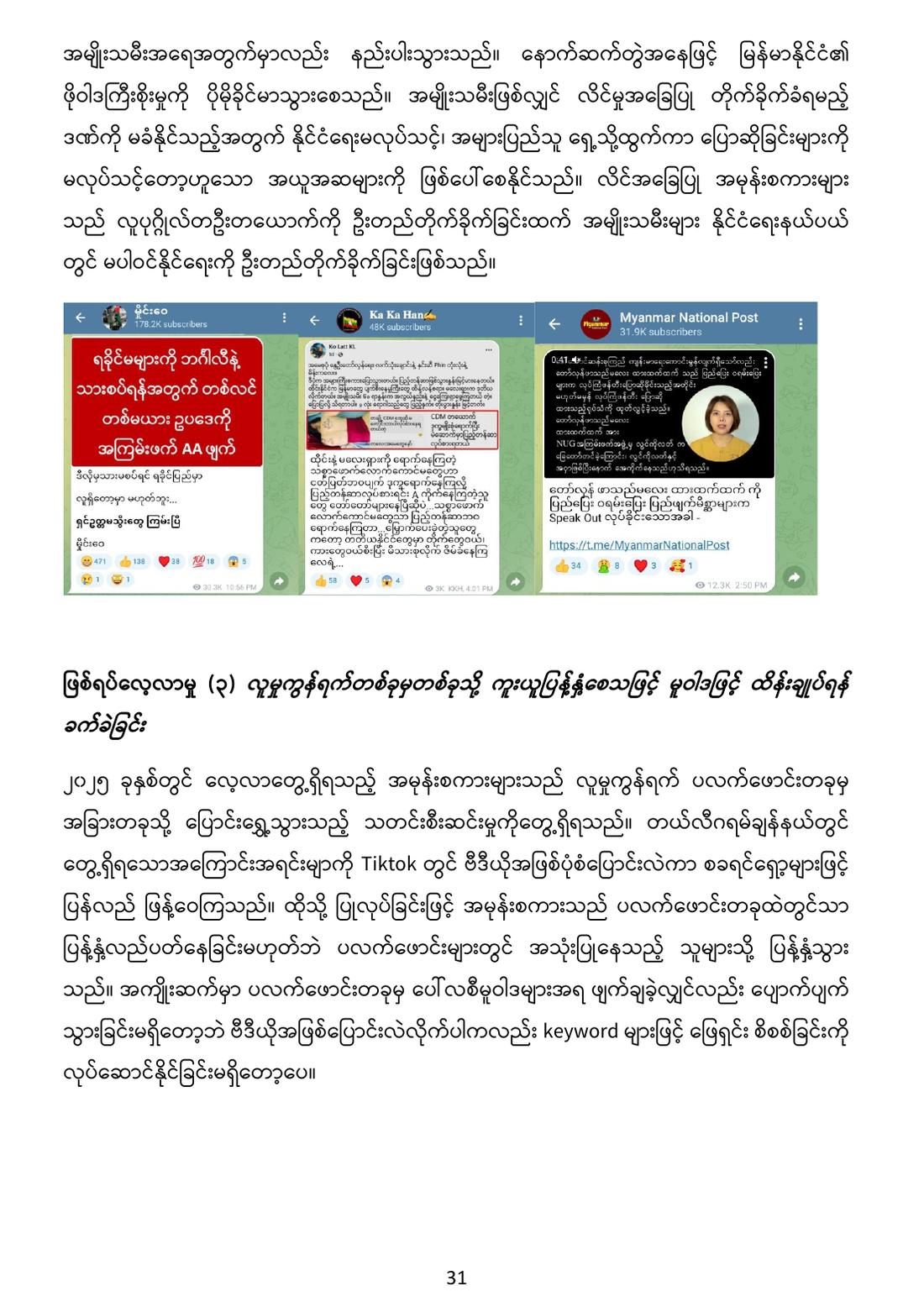
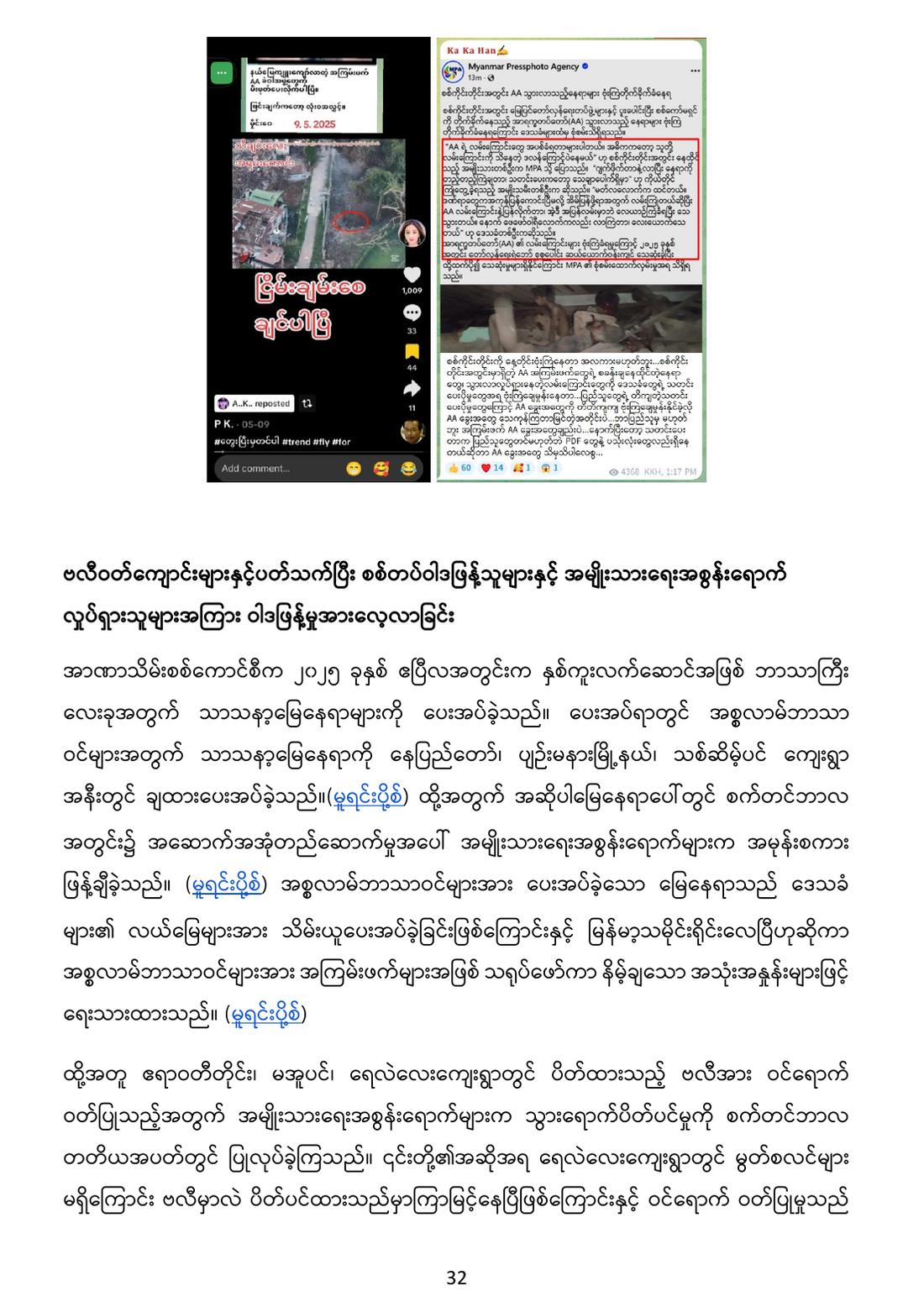
In 2025, the study identified a clear pattern of cross-platform content migration, where hate speech originating on one social media platform was repackaged and redistributed on others.
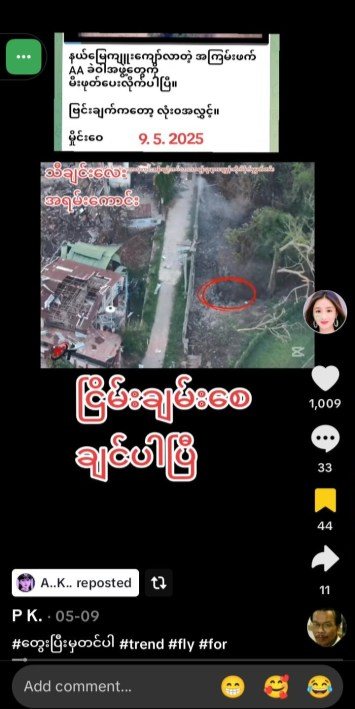
Content initially found on Telegram channels was frequently transformed into video formats on TikTok, often using screenshots of the original posts. Through this process, hate speech was no longer confined to a single platform but was able to circulate across multiple platforms, reaching wider and more diverse audiences.
This form of dissemination significantly increases the persistence and spread of harmful content. Even when such material is removed from one platform due to policy enforcement, it continues to exist in altered formats on other platforms. Moreover, once converted into video form, it becomes more difficult to detect and moderate, as keyword- based filtering mechanisms are less effective.
As a result, cross-platform amplification contributes to the sustained visibility, resilience, and broader impact of hate speech, making mitigation efforts more complex and less effective.
10Analysis of Propaganda Narratives on Mosques by Military-Aligned and Nationalist Extremist Actors
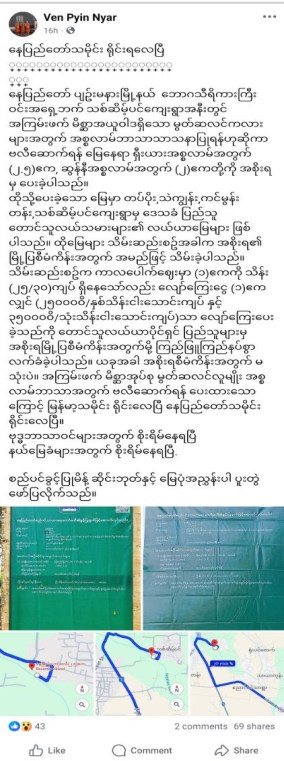
In April 2025, the military authorities announced the allocation of religious land grants for four major religions as a New Year gesture. Among these, land was designated for Muslim communities near Thitseintpin Village, Pyinmana Township, Naypyidaw. ()
Following this, in September 2025, nationalist extremist actors began disseminating hate speech in response to construction activities on the allocated land. ()These narratives alleged that the land had been confiscated from local farmers and framed the allocation as a threat to Myanmar’s historical and cultural identity. Muslims were portrayed using derogatory and dehumanizing language, often characterized as violent or extremist actors. ()
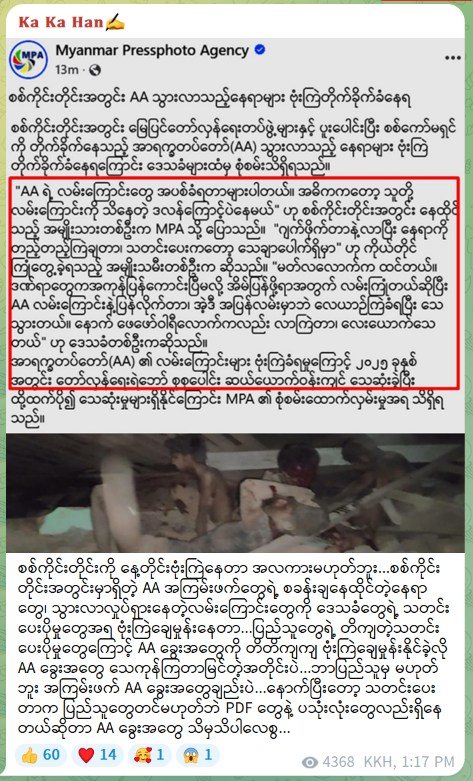
Similarly, in Yelel Lay Village, Maubin Township, Ayeyarwady Region, nationalist extremists reportedly attempted to block access to a previously closed mosque after individuals entered it for worship in the third week of September. These actors claimed that there were no Muslims residing in the village and that the mosque had long been closed, labeling the act of worship as illegal. Hate speech in this context included the repeated use of derogatory slurs targeting Muslims. ()
Although the military authorities have publicly stated that freedom of religion is guaranteed in Myanmar, the situation on the ground indicates ongoing religious repression targeting minority communities. Nationalist extremist figures and groups — including individuals such as Naung Taw Lay, U Thuzita, U Thunanda, Ven. Pyin Nyar, and organizations such as the Patriotic Monks Union — have continued to promote anti-Muslim narratives and campaigns.
As a result of these activities, Muslims in Myanmar are increasingly portrayed as security threats, contributing to heightened discrimination in both economic and social spheres.
These narratives are often framed along both religious and ethnic lines, reinforcing exclusion and marginalization.
In the case of the mosque in Yelel Lay Village, individuals involved in mobilizing potential public unrest included prominent nationalist activists, such as Naung Taw Lay (founder and editor of Myanmar National Post), as well as monks and networks affiliated with nationalist movements in Naypyidaw and Yangon. The actors involved included monks led by U Thunanda, who are recognized as nationalist leaders in Naypyidaw, as well as monks led by U Thuzita from the Patriotic Monks Union (Yangon). In addition, several individuals who have consistently supported and participated in extremist nationalist movements were also involved.
Furthermore, coordinated anti-Muslim campaigns — both online and offline — were observed in Naypyidaw regarding the allocation of land for both Shia and Sunni Muslim communities. These campaigns included online mobilization, public opposition letters addressed to the authorities, and sustained dissemination of Islamophobic narratives.
Key actors leading the anti-Muslim campaigns included Ma Pu Tu, a prominent participant in extremist nationalist movements; Naung Taw Lay, founder and editor of the Myanmar National Post media outlet; the Patriotic Monks Union (Yangon); Patriotic Youth (Pyinmana); Patriotic Alliance Forces (Mon State); the Myanmar Nationalist Network; and Rakhita Youth (Naypyidaw).
Notably, a divergence in propaganda strategies was observed between military-aligned channels and nationalist extremist actors. While nationalist groups consistently opposed the mosque-related developments and promoted anti-Muslim narratives, military propaganda channels largely remained silent on the issue. Instead, they promoted a narrative portraying the military as a protector of equal religious rights, highlighting an inconsistency and fragmentation in aligned propaganda efforts.
11Comparative Analysis of Hate Speech in 2024 and 2025
Types of Hate Speech

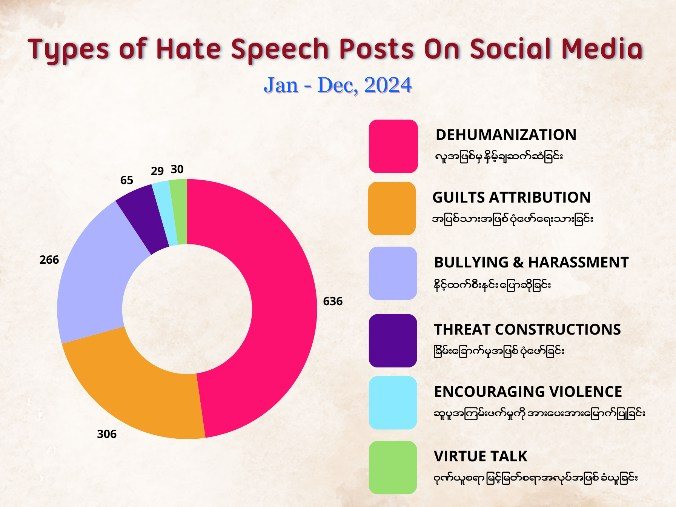
In 2025, there was a noticeable increase in abusive and degrading hate speech, as well as criminalization-based hate speech. Hate speech rooted in bullying and harassment was widely disseminated on social media, often targeting individuals and groups based on ethnicity, religion, and gender identity, thereby contributing to increased discrimination within society.
As the security situation intensified in 2025, there was a corresponding rise in bullying and harassment targeting women and specific groups. In addition, threat construction narratives became more prominent, framing certain social groups as dangers to national security, culture, or religion.
These narratives often generalized the actions of individuals or specific groups and linked them to broader concerns such as population growth, political influence, religious impact, or national security, portraying entire communities as threats. Such framing contributes to the erosion of trust between communities and ethnic groups.
The increase in these forms of hate speech also risks transforming differences of opinion into personal attacks, further intensifying divisions. The rise in both bullying and harassment and threat construction narratives has the potential to contribute to conflict escalation.


Targeted Groups
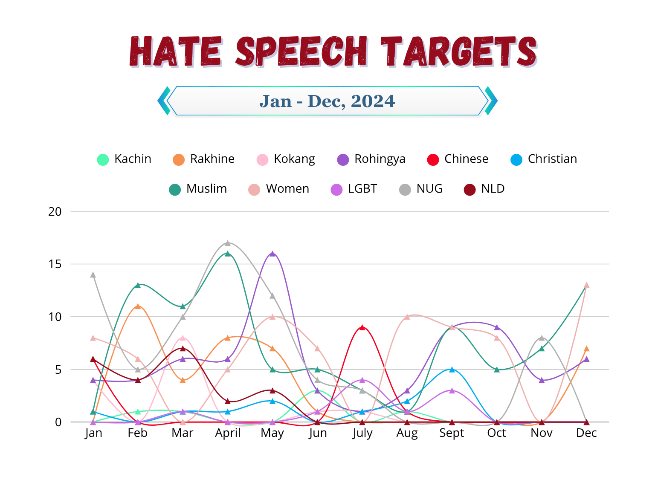
In 2025, there was a marked increase in hate speech targeting Rohingya, Muslims, and women. This trend indicates a broader expansion of discrimination against these groups.
The study also found that international events — such as developments related to the ICJ (International Court of Justice) and the Palestine issue — were used to justify and amplify hate speech targeting domestic Muslim and Rohingya communities.
Additionally, women were increasingly targeted with narratives claiming that their participation in resistance movements was linked to sexual exploitation, reflecting a rise in gender-based hate speech.
Escalation of Hate Speech Terminology
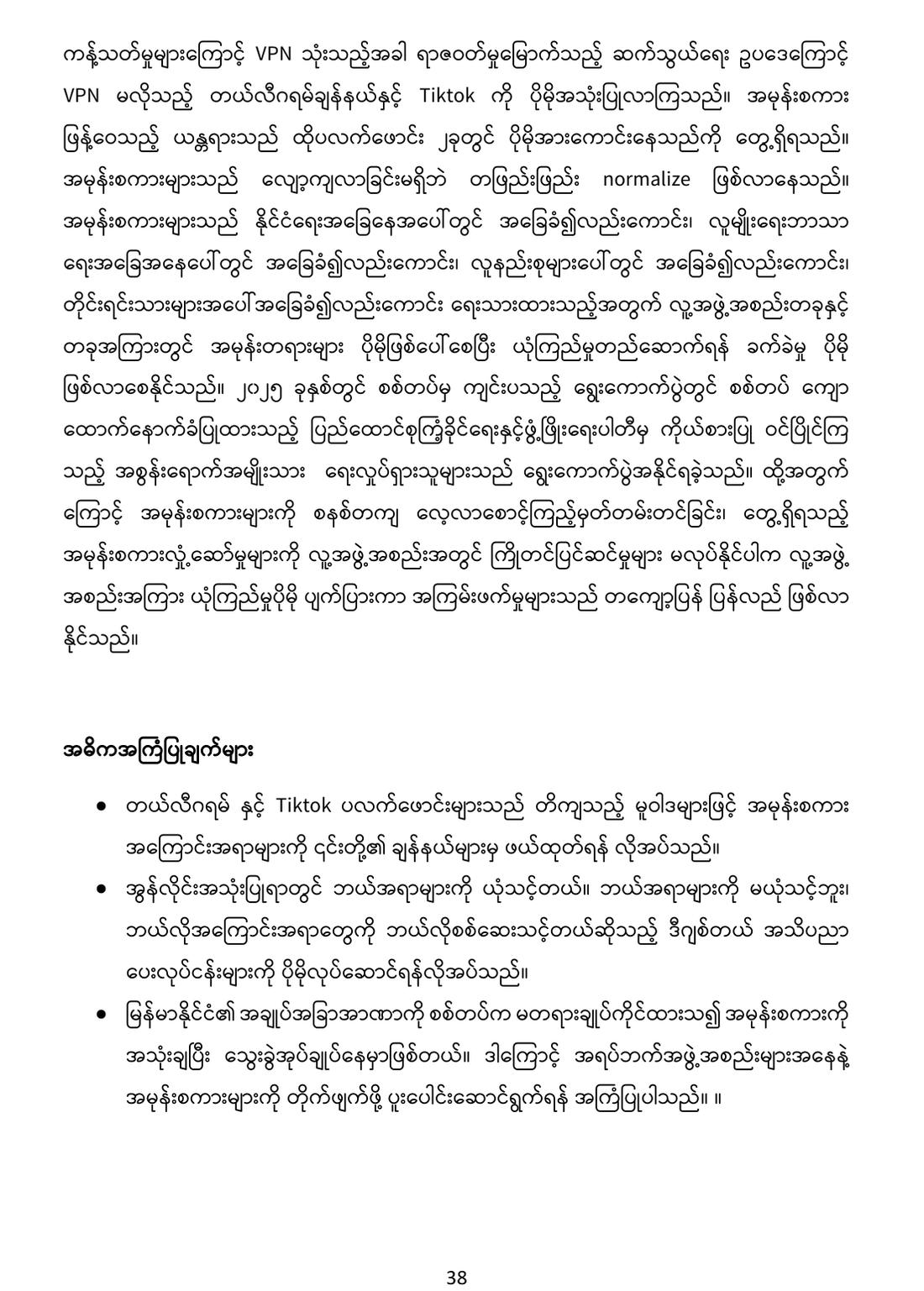
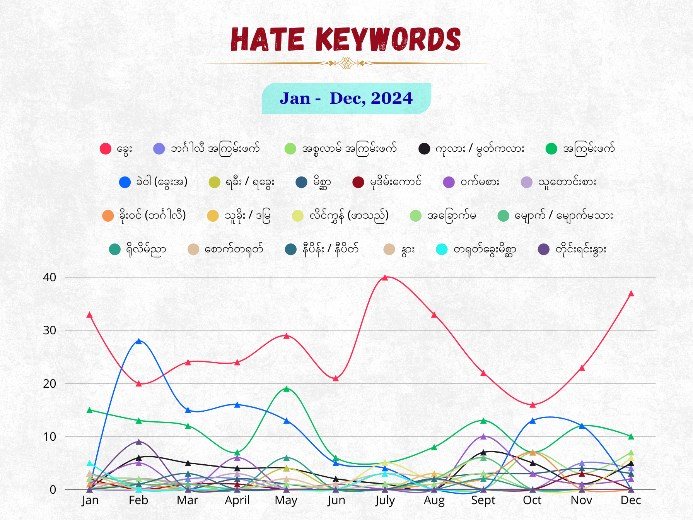
In 2025, a range of derogatory and offensive terms were identified, including “dog,” “Muslim kalar,” “terrorist,” “illegal Bengali,” “Bengali terrorist,” “condom,” “non-pork eater,” “rapist,” “inferior Chin,” “Khway War” (a Rakhine term meaning “dog”), “Islamic terrorist,” “thief,” and “sex slave.”
Compared to 2024, terms such as “inferior Chin,” “condom,” and “Bengali terrorist” were observed as newly or more frequently used expressions in 2025, indicating an intensification and normalization of hostile language in online discourse.

12Impacts of Hate Speech
The persistent spread of hate speech on social media has significantly undermined social cohesion within society. Dehumanizing narratives that portray individuals or groups as less than human, along with content that frames entire communities as inherently guilty, contribute to the social exclusion of targeted groups.
Such narratives can normalize the belief that entire communities may be collectively punished for the actions of individuals. During periods of hybrid governance involving both military and civilian elements, similar patterns of hate speech in Myanmar have contributed to discrimination and violence, including lethal attacks against Muslim communities and the Rohingya population in Rakhine State. These incidents were often justified by perpetrators as being deserved, which further escalated conflict and deepened divisions.
As a consequence, perpetrators of such violence have, in some cases, evaded legal accountability, reinforcing a cycle of impunity and further enabling the continuation of hate-driven actions.
13Limitations
The findings presented in this report are subject to certain limitations. Monitoring and documentation were conducted only on public channels and publicly accessible posts. As a result, content shared within private channels and private accounts could not be analyzed.
Additionally, due to constraints in monitoring capacity, the study was unable to cover all social media platforms used across Myanmar. Therefore, the findings are based on a sample of observed data, rather than a comprehensive dataset encompassing all instances of hate speech.
14Conclusion and Recommendations
Former Lieutenant General U Soe Thein published a book in 2020 claiming that Myanmar had “fallen” under the leadership of Daw Aung San Suu Kyi and the National League for Democracy (NLD) government, alleging that Buddhism was being suppressed while Muslims were being favored, and portraying the government as aligned with Muslim interests. Following the military coup in 2021, U Soe Thein became part of the military- led administration.
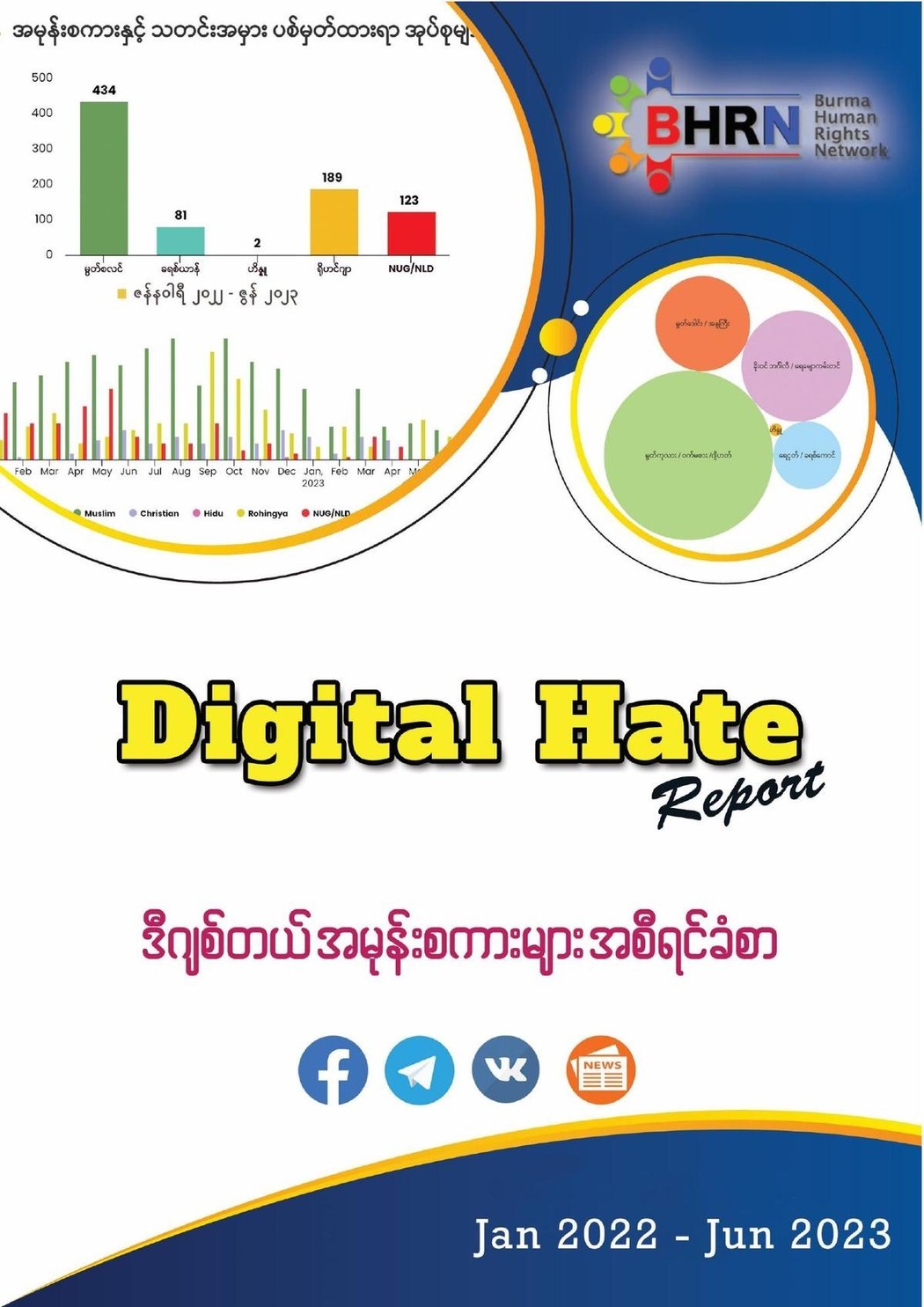
Since the coup, the military has shut down media outlets, arrested journalists, and imposed strict internet restrictions. Civilians have faced arrest and imprisonment simply for accessing information from independent media sources. Due to these restrictions, along with legal risks associated with VPN usage under telecommunications laws, many people have increasingly turned to platforms such as Telegram and TikTok, which do not require VPN access. As a result, the mechanisms for spreading hate speech have become more entrenched and effective on these platforms.
Hate speech has not declined but has instead become increasingly normalized. It is often driven by political dynamics, as well as ethnic, religious, and minority-related factors, contributing to rising hostility and making trust-building between communities more difficult.
In the 2025 military-organized elections, candidates affiliated with the military-backed Union Solidarity and Development Party (USDP), including individuals associated with extremist nationalist movements, secured electoral victories. This development raises further concerns about the potential institutional reinforcement of exclusionary narratives and hate speech.
Given these trends, it is critical to systematically monitor and document hate speech, as well as to develop preventive and response mechanisms. Without proactive measures to address the spread and impact of hate speech, there is a significant risk that social trust will continue to erode, potentially leading to the resurgence of violence and intensified conflict within society.
Key Recommendations
- Social media platforms, particularly Telegram and TikTok, should implement and enforce clear and robust policies to effectively remove hate speech content from their channels and limit its spread.
- There is a need to strengthen digital literacy initiatives, focusing on educating users about how to identify credible information, distinguish misinformation, and critically evaluate online content before sharing or engaging with it.
- Given the ongoing context in which the military continues to exert control over state power and may utilize hate speech as a tool for division, it is recommended that civil society organizations collaborate more actively to counter hate speech through coordinated efforts, advocacy, and community-based interventions.
Footnotes
About BHRN
BHRN is funded by the National Endowment for Democracy (NED), Unitarian Universalist Service Committee (UUSC), and private individuals. BHRN is based in London and operates across Burma working for human rights, the protection of minorities and religious freedom in the region.
Freedom and Human Rights for All from Birth
www.bhrn.org.uk · facebook.com/bhrnuk · @bhrnuk
Media enquiries
၁အစီရင်ခံစာ (မြန်မာဘာသာ)
ဒီဂျစ်တယ် အမုန်းစကား နှစ်ပတ်လည် အစီရင်ခံစာ (၂၀၂၅) ၏ မြန်မာဘာသာ စာမျက်နှာများ။ ပုံကို နှိပ်၍ အကြီးကြည့်နိုင်ပါသည်။