September 2026 - Summary of Monthly Situation Update
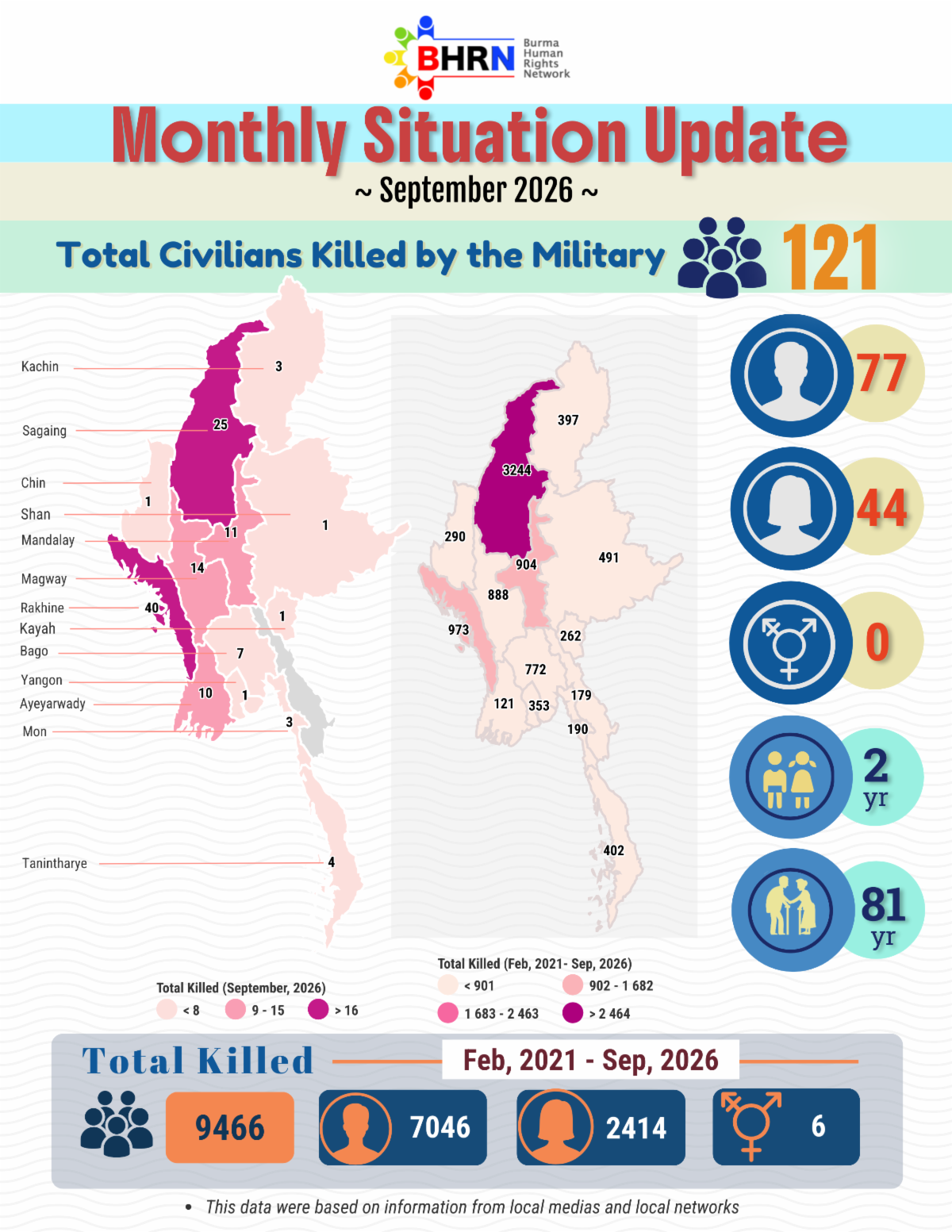
Myanmar’s military junta continued to carry out deadly attacks on civilians throughout September 2026, bombing villages, markets, schools and areas sheltering displaced people. On September 28, military aircraft struck a crowded market in Kyauktaw Township, Rakhine State, killing at least 50 people and injuring 58 others. Across the country, civilians faced arbitrary arrests, forced military recruitment, extortion, ill-treatment in detention and restrictions on access to essential services.
Myanmar: Junta Restrictions Obstruct Mosque Repair and Reconstruction
New BHRN report documents decades of restrictions on Muslim places of worship and finds that 180 Islamic religious buildings were affected by the earthquake and at least 670 Muslims were killed
Successive Myanmar governments and military regimes imposed discriminatory restrictions that obstructed Muslim communities from constructing, repairing, and renovating mosques, and the military junta has continued those restrictions after the March 2025 earthquake, the Burma Human Rights Network (BHRN) said in a report released today.
The report, "Blocked from Rebuilding: Myanmar Junta Restrictions on Mosque Repair and Reconstruction," documents 180 earthquake-affected mosques and other Islamic religious buildings across 29 townships in Mandalay Region, Sagaing Region, Naypyidaw Union Territory, Bago Region, and southern Shan State. BHRN documented at least 670 deaths among Muslims when mosques and other Islamic religious buildings collapsed during the magnitude 7.7 earthquake on March 28, 2025, when many mosques were crowded with worshippers.
"Myanmar's military and successive governments spent decades making it impossible for Muslim communities to repair and maintain their mosques," said Kyaw Win, executive director of BHRN. "Hundreds of Muslim worshippers died when mosques collapsed in the earthquake. More than a year later, many communities are still struggling to make damaged sites safe or rebuild them."
August 2026 - Digital Hate Monthly Report (Eng -Myan)
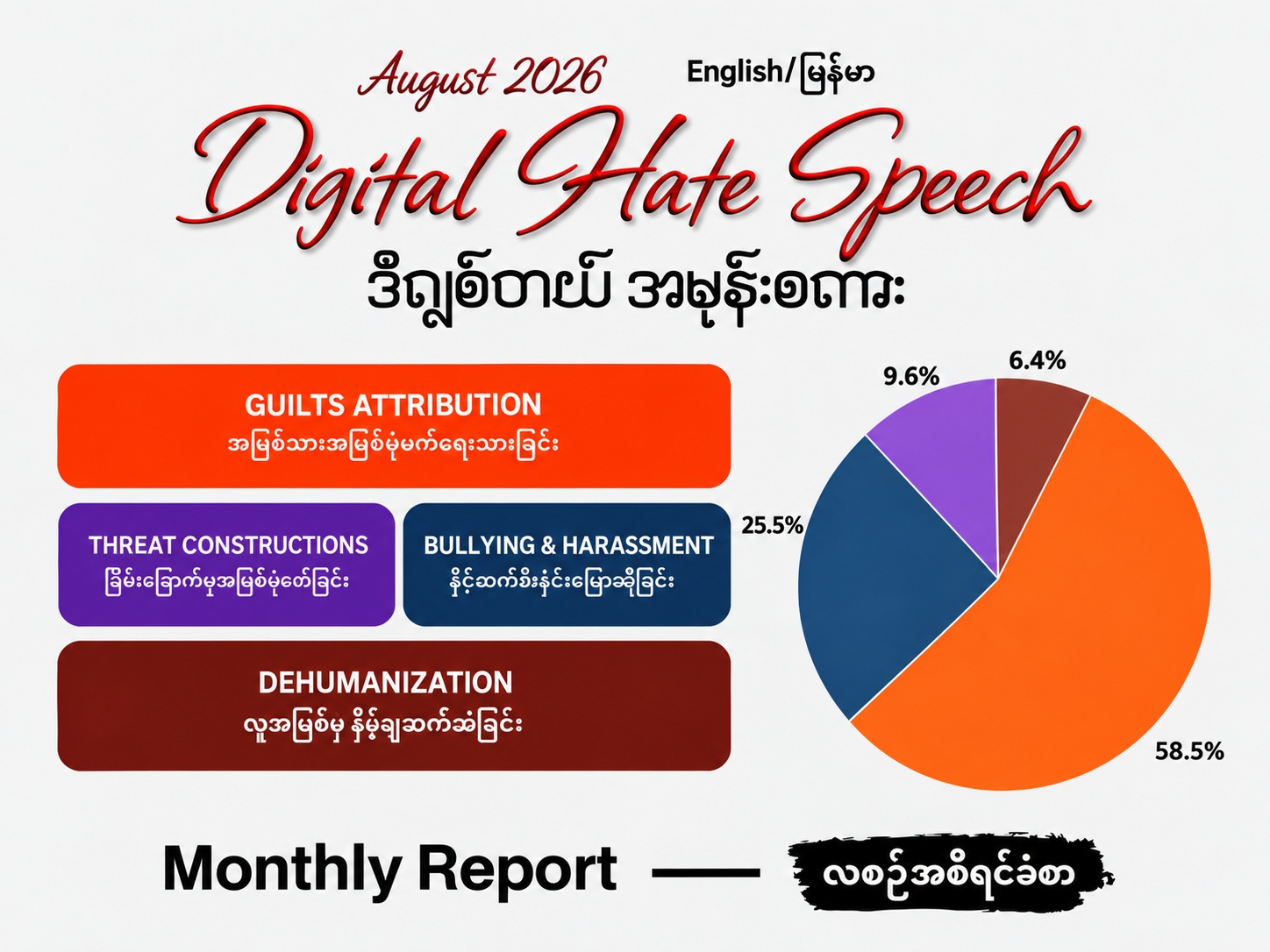
This report presents BHRN’s monitoring of hate speech, fabricated content and misinformation circulating on social media during August 2026. The monitoring covered 3 Facebook groups, 2 Facebook pages, 13 Facebook accounts, 24 Telegram channels and 24 TikTok accounts.
A total of 103 cases were documented during the month. The findings show that Muslims and Rohingya were among the principal targets, with recurring narratives portraying them as security threats, “illegal” residents, outsiders and a danger to wider society. Hate speech targeting Christians and women was also documented.
The report further highlights an increase in hate speech concerning Muslim places of worship and religious schools, as well as misinformation linking Rohingya communities to armed conflict and national security threats. It examines the main narratives, targeted groups, commonly used terms, platform distribution and examples recorded during the monitoring period.
ယခုအစီရင်ခံစာသည် ၂၀၂၆ ခုနှစ် ဩဂုတ်လအတွင်း လူမှုမီဒီယာများပေါ်တွင် ဖြန့်ဝေခဲ့သည့် အမုန်းစကားများ၊ သတင်းတုနှင့် သတင်းမှားများကို BHRN မှ စောင့်ကြည့်လေ့လာထားသည့် တွေ့ရှိချက်များကို တင်ပြထားခြင်းဖြစ်သည်။ စောင့်ကြည့်လေ့လာမှုတွင် Facebook Group ၃ ခု၊ Facebook Page ၂ ခု၊ Facebook Account ၁၃ ခု၊ Telegram Channel ၂၄ ခုနှင့် TikTok Account ၂၄ ခု ပါဝင်ခဲ့သည်။
ဩဂုတ်လအတွင်း အမုန်းစကား၊ သတင်းတုနှင့် သတင်းမှား စုစုပေါင်း ၁၀၃ ခု ကို မှတ်တမ်းတင်ခဲ့သည်။ တွေ့ရှိချက်များအရ မွတ်စလင်များနှင့် ရိုဟင်ဂျာများသည် အဓိကပစ်မှတ်များထဲတွင် ပါဝင်ခဲ့ပြီး၊ ၎င်းတို့ကို နိုင်ငံလုံခြုံရေးအတွက် ခြိမ်းခြောက်သူများ၊ “တရားမဝင်” နေထိုင်သူများ၊ နိုင်ငံခြားမှ ဝင်ရောက်လာသူများနှင့် လူ့အဖွဲ့အစည်းအတွက် အန္တရာယ်ရှိသူများအဖြစ် ပုံဖော်သည့် ဇာတ်ကြောင်းများကို ထပ်ခါတလဲလဲ တွေ့ရှိခဲ့သည်။ ခရစ်ယာန်များနှင့် အမျိုးသမီးများကို ပစ်မှတ်ထားသည့် အမုန်းစကားများကိုလည်း မှတ်တမ်းတင်ခဲ့သည်။
အစီရင်ခံစာတွင် မွတ်စလင်များ၏ ဝတ်ပြုရာနေရာများနှင့် ဘာသာရေးစာသင်ကျောင်းများကို ပစ်မှတ်ထားသည့် အမုန်းစကားများ ပိုမိုများပြားလာမှု၊ ရိုဟင်ဂျာများကို လက်နက်ကိုင်ပဋိပက္ခနှင့် နိုင်ငံလုံခြုံရေး ခြိမ်းခြောက်မှုများနှင့် ချိတ်ဆက်ဖော်ပြသည့် သတင်းမှားများကိုလည်း ဆန်းစစ်ထားသည်။ ထို့အပြင် အဓိကဇာတ်ကြောင်းများ၊ ပစ်မှတ်ထားခံရသည့် အုပ်စုများ၊ အသုံးများသည့် စကားလုံးများ၊ ပလက်ဖောင်းအလိုက် ဖြန့်ဝေမှုနှင့် မှတ်တမ်းတင်ထားသည့် ဖြစ်ရပ်နမူနာများကို ဖော်ပြထားသည်။
Myanmar: Junta Officials Seal Muslim Prayer Spaces Following Anti-Muslim Nationalist Pressure (English / Myanmar)
Ma Ba Tha-linked monks target mosques and Muslim religious observances in Yangon and Mandalay.
(English / Myanmar)
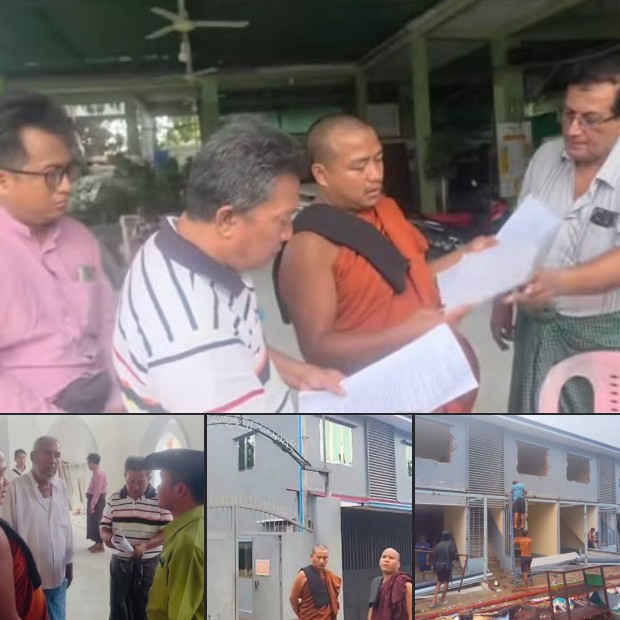
LONDON, 23 September 2026 – The Myanmar military junta should immediately unseal prayer spaces at the historic Miba Zay Mosque in Mandalay and end discriminatory restrictions on Muslim worship and mosque reconstruction, the Burma Human Rights Network (BHRN) said today. Since August 2026, Buddhist nationalist monks linked to the Buddha Dhamma Charity Foundation, formerly known as Ma Ba Tha, have targeted mosques, mosque renovations, and Muslim religious observances in Yangon and Mandalay. Junta officials have subsequently ordered construction work dismantled, demolished renovation work, sealed Muslim prayer spaces, and restricted worship.
August 2026 - Summary of Monthly Situation Update

In August, Myanmar military forces carried out airstrikes, drone and gyrocopter attacks, artillery fire, village burnings, forced recruitment, and restrictions on humanitarian assistance across multiple states and regions. Civilians were killed in homes, displacement sites, monasteries, hospitals, and villages under resistance or ethnic armed organisation control. On 21 August, a Myanmar Air Force jet bombed a Buddhist monastery during a meditation retreat in Myaung Township, killing 14 people and injuring around 20. On 24 August, two military fighter jets bombed a Buddhist monastery housing a primary school in Paletwa Township while children were in class, killing five civilians, including two children, and injuring 17 others, including nine children.