Summery
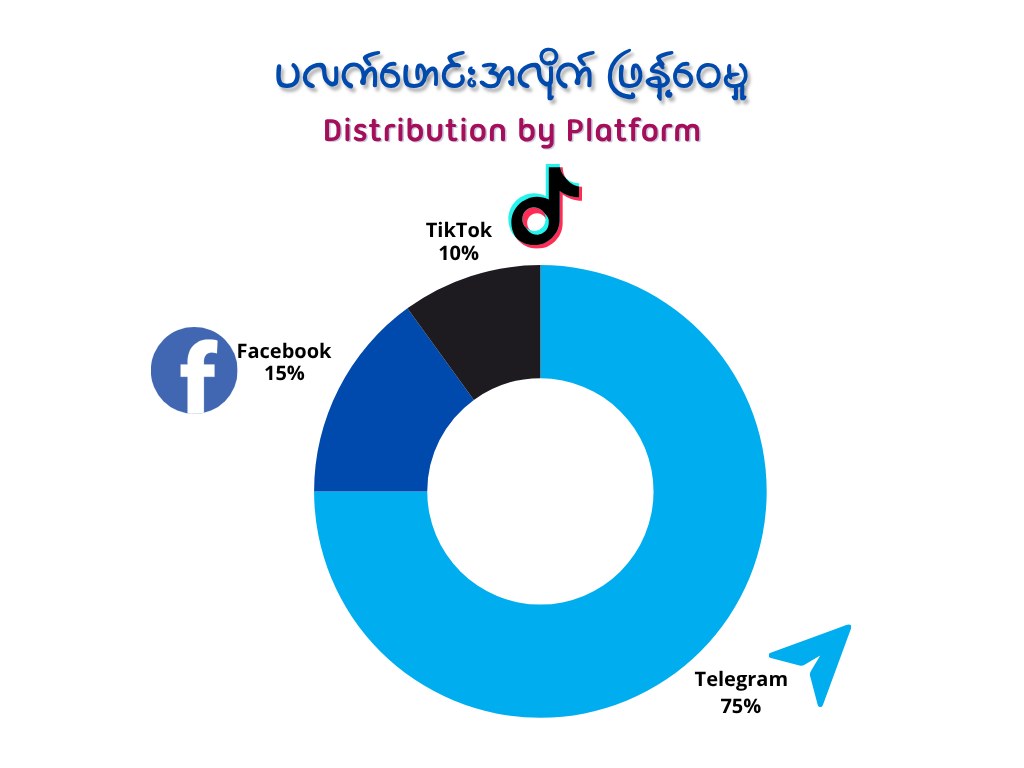
This report examines the spread of hate speech and misinformation in Myanmar's digital communication sphere during June 2025. It analyzes 97 verified posts from Facebook, Telegram, and TikTok, focusing on incitement of violence targeting ethnic groups, dehumanization of those opposing the junta, and the dissemination of systematically fabricated misinformation. According to the findings, Telegram is the primary platform where hate speech is most prevalent (75%), followed by Facebook (15%) and TikTok (10%). The report studies major impactful events and illustrates how these issues have tangible consequences in reality.
1Research Methodology
Data Collection
- Monitoring Sources: a total of 97 posts collected from 12 Telegram channels, 8 Facebook pages, and 5 TikTok accounts
- Time Period: June 1 to June 30, 2025
Categorization Method
| Category | Definition |
|---|---|
| Hate Speech | Speech that harms individuals based on inherent characteristics such as religion, language, gender, sexual orientation, national origin, ethnicity, race, belief, citizenship, skin color, or physical appearance |
| Misinformation | Incorrect information that can pose a threat to public safety |
| Manipulated Media | Altered photos/videos or presentation of information in a way that does not match the original context |
2Key Findings
2.1Volume of Harmful Content Identified on Social Media Platforms
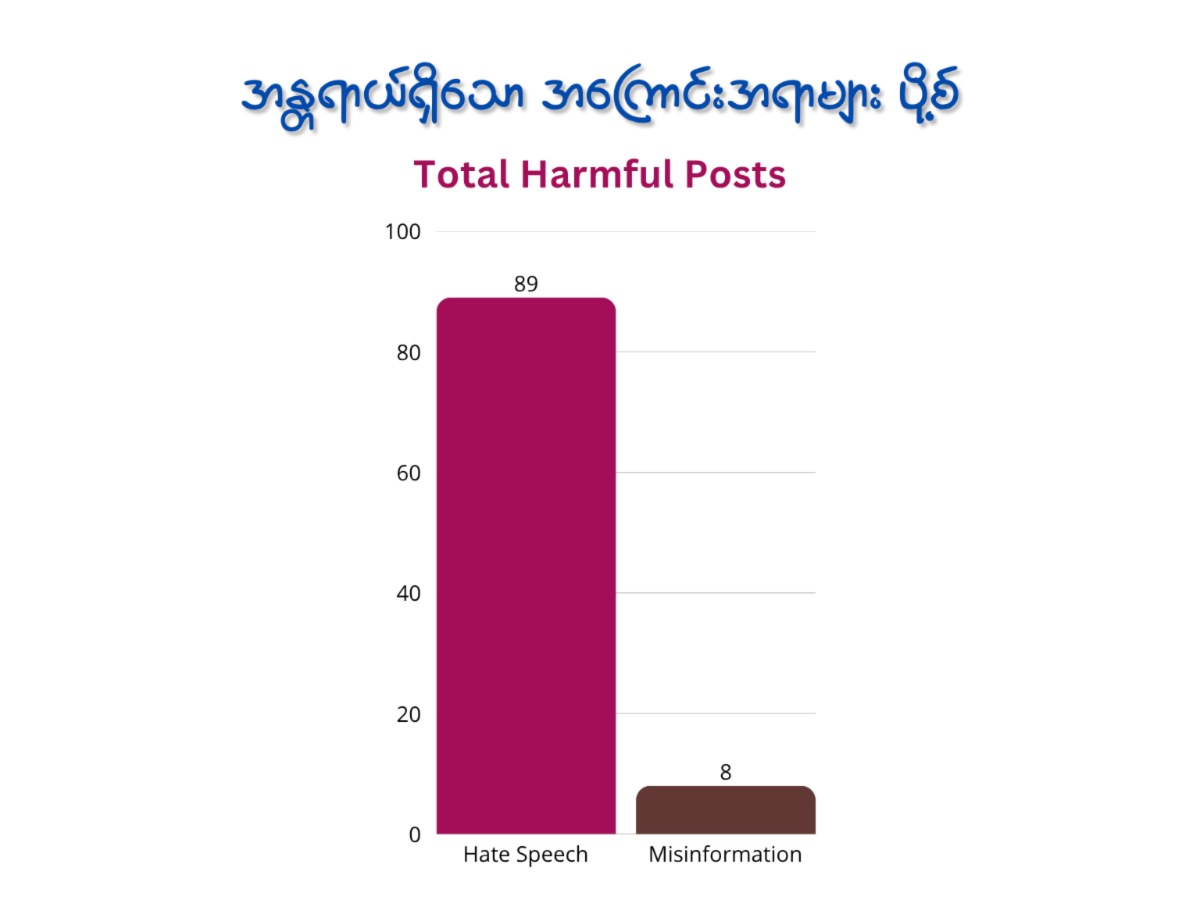
- Total Harmful Posts: 97
- Hate Speech: 89 posts (91.8%)
- Misinformation: 8 posts (8.2%)
Distribution by Platform
- Telegram: 75 posts
- Facebook: 15 posts
- TikTok: 10 posts
2.2Targets of Hate Speech
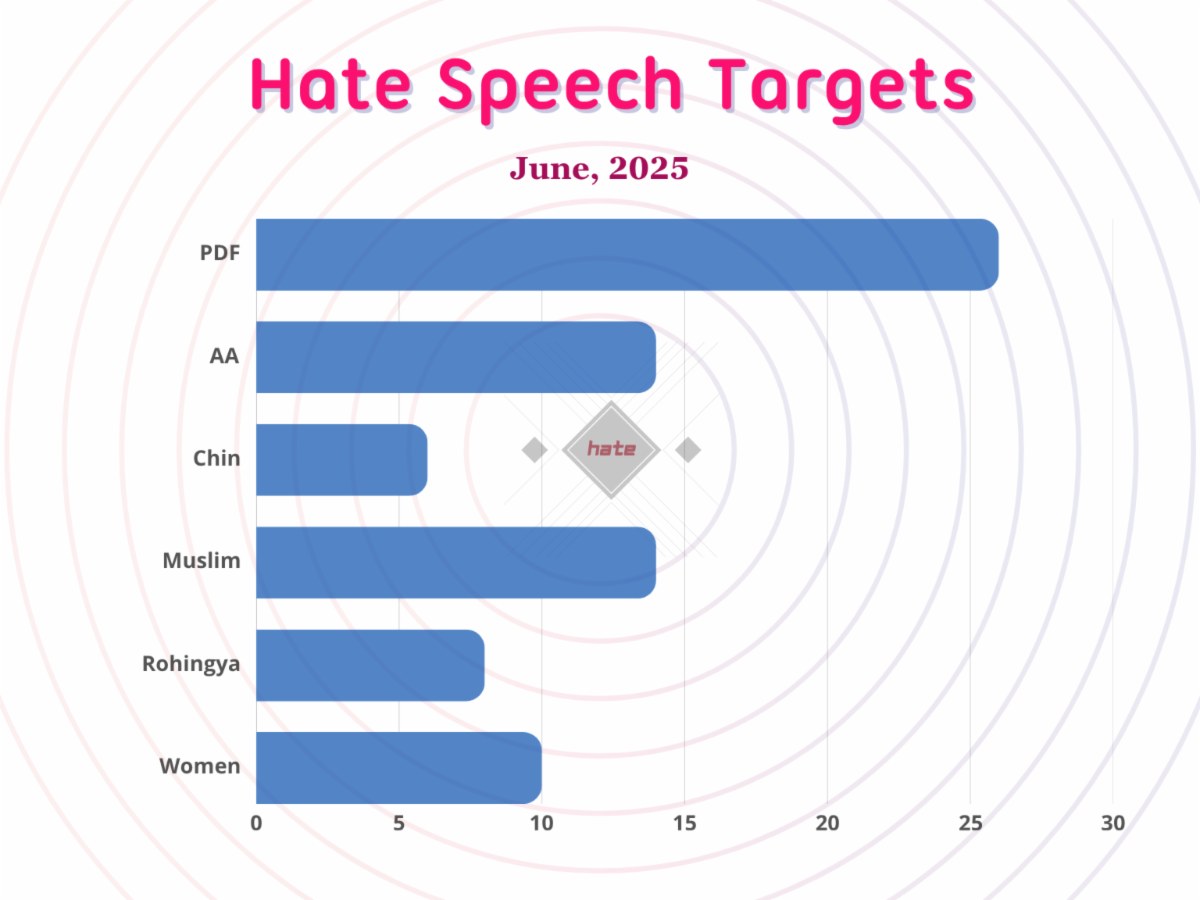
1Ethnic Armed Organizations (EAOs)
Groups such as the Arakan Army (AA), Kachin Independence Army (KIA), and People's Defense Forces (PDFs) were targeted in 63% of the hate speech posts.
Example: “Those AA dogs... get lost” – @kyawswar49111 (Telegram)
News about the death of AA members in clashes was posted on a military-affiliated Telegram channel called "(Tatepway Tadinzone) Battle News Hub" and later reshared by the "KO That" channel. The reshared post used dehumanizing language toward AA members. The original post received over 400 supporters and reached over 48,200 views. The repost on "KO That" received over 350 supporters and reached more than 2,200 views.
(See the translation of the attached link below conclusion – 1)

2Religious/Ethnic Minority Groups
Rohingya Muslims were targeted in 28% of the hate speech posts.
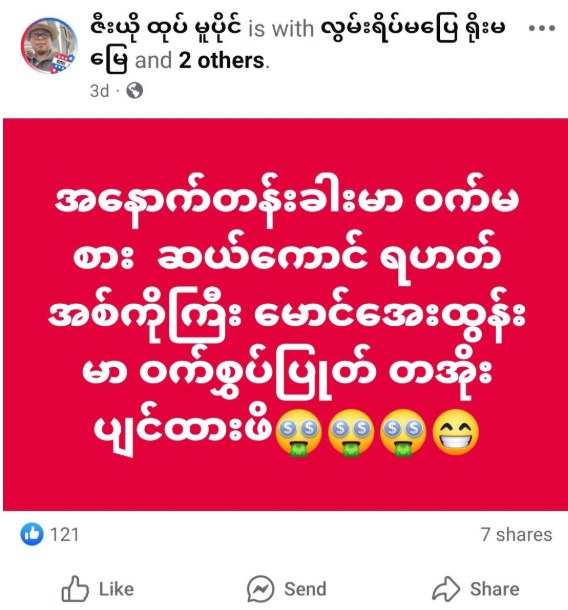
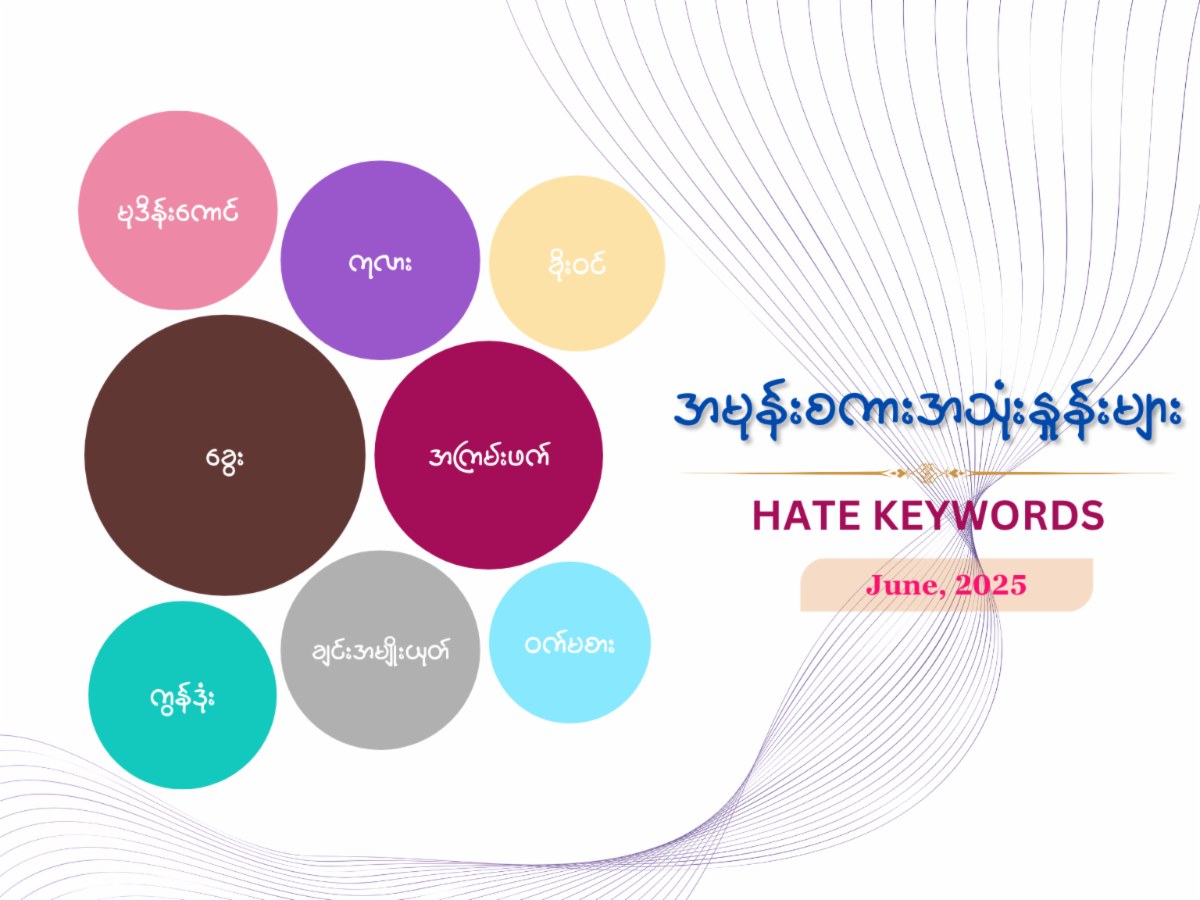
Tactic: The term “non-pork eater” was used three times as a derogatory phrase. Rohingya Muslims were mocked using religious-based slurs that imply impurity, referencing their avoidance of pork — a practice rooted in their faith. One such post, authored by the Facebook account “Zeyo Htote Mu Paing”, used this language to ridicule and insult the group. This post received 123 supporters and was shared 7 times.
(See the translation of the attached link below conclusion – 2)
3Women
In 17 posts, there is violence based on gender discrimination.
Pattern: Women who support the PDF have been subjected to sexual threats.
It was spread on Sit Thway Telegram channel that female People's Defense Force (PDF) members, who are undergoing military training in ethnic armed group territories as part of the anti-military dictatorship revolution, are being made to provide sexual entertainment. This includes resharing and distributing a cartoon image that verbally abuses women. The reach of this spread is around 900.
(See the translation of the attached link below conclusion – 3)

2.3Types of Fake News and Misinformation
| Type | Example | Reach |
|---|---|---|
| Fabricated Content | KNU leader praised by Donald Trump | 7.5k shares |
| Manipulated Images | False images claiming that PDF groups are burning down houses | 24.1k views |
| Misleading Connections | AA abolishes the one-husband-one-wife law. (In reality, twisting actual policy disputes) | 30.3k views |
3Case Study: Hate Speech and Misinformation Dissemination by Region and Platform
Findings from 3 Incidents
Incident 1: Rohingya Infiltration Incident
Post
A Facebook account named “Dr. Nyein Chan Yay” spread hate speech, claiming that the Rohingya are illegally infiltrating Rakhine State, without any evidence, and that such actions amount to expansionist terrorism.
In this post, the Rohingya are portrayed as criminals demanding human rights, using demeaning language that depicts them as invaders. Original Post
(See the translation of the attached link below conclusion – 4)

Spread
- The spread reached around 400 people.
- Related violent comments included phrases like “They must be killed.”
Incident 2: Sexualized Dehumanization of Female Activists
Post
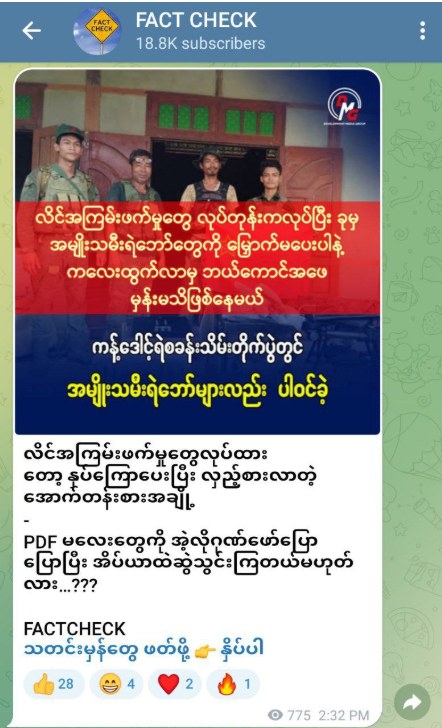
A post was reshared reporting that women officers participated in the successful resistance at the Kandawn Police Station. The reshared content, featured on the “Fact Check” Telegram channel, used hate speech to degrade female revolutionaries, claiming they were engaging in sexual entertainment at night.
The writing portrayed these women as sex workers and expressed the idea that women are only useful in sexual contexts, demonstrating sexually demeaning and dehumanizing language. Original Post
(See the translation of the attached link below conclusion – 5)
Spread
- Included a cartoon image depicting women in PDF uniforms being sexually assaulted.
- Spread via 3 Telegram channels, with a total reach of over 28,800.
Incident 3: Misleading Video
Content
A video showing fallen resistance fighters was posted by a TikTok account named A…K…Mg, accompanied by text encouraging the continued search and elimination of the injured—inciting violence through hate speech.
The post had 3,737 supporters and over 63,600 views.
There were 186 comments, the majority expressing support for the cleansing rhetoric.
(See the translation of the attached link below conclusion – 6)

Fact Check
The video was originally from Kayah State (Karenni) in 2023 and was repurposed.
4Network Analysis
Main Sources of Dissemination
1) Telegram: kyawswar49111 (195K members)
- In June alone, posted 22 hate speech items.
2) Facebook: Saw Myo Myo
- Focused particularly on anti-Karen content, e.g., using derogatory terms like “my Karen slaves”.
3) TikTok: general.min.aung63
- Spread dehumanizing hate speech using memes that portray “PDFs” as insects, with derogatory comparisons and language.
Cross-Platform Connections
- After Facebook posts are taken down, they are often reposted on Telegram.
- TikTok’s algorithm appears to amplify violent and hate-related content, increasing its reach among users.
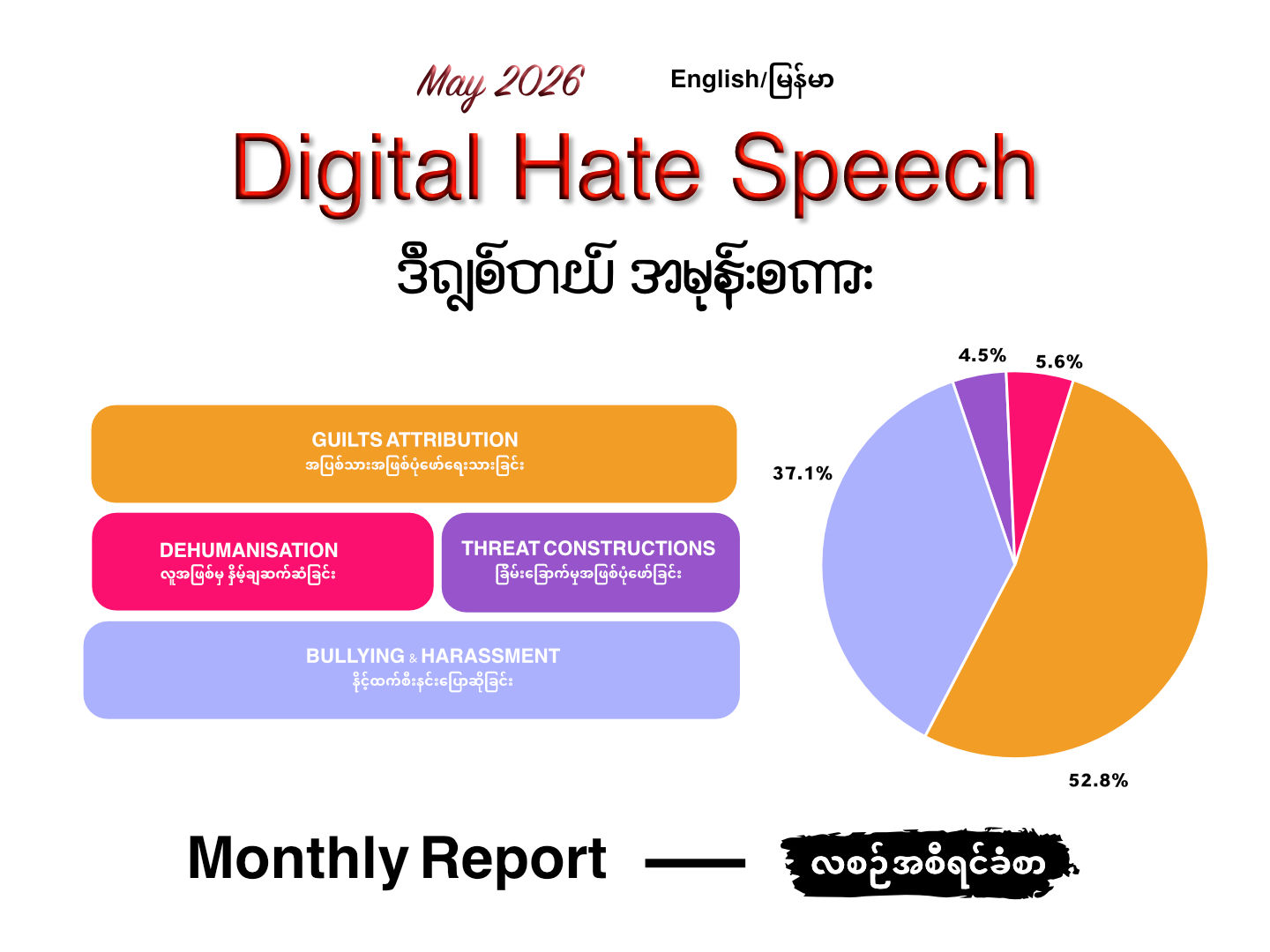
5The figure illustrating types of hate speech

6The figure illustrating the number of hate speech targets
7Keywords used by hate speech writers
8Conclusion
In June 2025, hate speech in Myanmar evolved into a more structured and coordinated system, with Telegram channels emerging as the primary distribution route for violent and hateful content. Newly identified risks include the sexual targeting of women and the reuse of misleading video content, posing significant threats to information integrity. Moreover, TikTok requires continued monitoring, as hate speech has been observed to spread rapidly on the platform.
Hate speech dissemination in Myanmar is deeply rooted in political, ethnic, and religious divides. It remains widespread domestically, especially in content targeting different ethnic groups and cultural differences, which continues to erode social cohesion. Additionally, incitement, blame, and accusations based on religious beliefs have contributed to growing violence against diversity and difference.
Translations of the documented posts
The posts below are hate speech documented by BHRN. They are translated here only as evidence for this report.
See the translation of the attached link below the conclusion.
Translation (1)
Dog AA members are also dead.
Terrorist rebel AA deadbodies are collected along with their weapons.
The hideouts of terrorist AA near Pyaing Se Kay village of Kyaukphyu township on June 22 and 23.
Translation (2)
The ten non-pork eaters in the northern door became pork soup that was made by brother Maung Aye Htun.
Translation (3)
Caption - Those female PDF members who went to the jungle for revolution are not getting a chance to do revolution but they are used for the sexual entertainment of EAO leaders, PDF leaders and PDF male members. They are used every night and they are now pregnant.
Text in cartoon - What do you get from revolution ? (Lady) - I got pregnant.
Translation (4)
Without documents, every country considers it illegal immigrants. Every country accepts when it is documented. Even India is deporting those Bengali who came illegally in their region, Arsam.
Those from Cox’s Boazar are demanding in the name of human rights without having any evidence in Rakhine State. They are saying that they are from Rakhine and they do not speak Rakhine language. That is called invasion to terrorize. If they are well documented, no one will deport them.
Translation (5)
Low standard people who have done sexual harrassment.
They are praising women PDF members to use them in their beds.
(Text in Photo) - Women PDF members also included in taking control of Kan Dauk police station.
Translation (6)
Maw Chee
The deabodies of 7 PDFs uploaded yesterday
At least 40 were hospitalized.
(text in caption) - eliminate the remaining 40. They must be in a near hospital.
About BHRN
Burma Human Rights Network (BHRN) is based in London, operates across Burma/Myanmar and works for human rights, minority rights and religious freedom in Burma. BHRN has played a crucial role in advocating for human rights and religious freedom with politicians and world leaders.
Media enquiries
အနှစ်ချုပ်
ဤအစီရင်ခံစာသည် ၂၀၂၅ ခုနှစ် ဇွန်လအတွင်း မြန်မာနိုင်ငံ၏ ဒစ်ဂျစ်တယ်အခြေပြု ဆက်သွယ်ရေး နယ်ပယ်တွင် အမုန်းစကားများနှင့် သတင်းတု သတင်းမှားများ ပျံ့နှံ့မှုကို လေ့လာဆန်းစစ်ထားခြင်း ဖြစ်ပါသည်။ Facebook၊ Telegram နှင့် TikTok တို့မှ စိစစ်အတည်ပြုထားသော ပို့စ် ၉၇ ခုကို ဆန်းစစ်ကာ လူမျိုးစုများကို ပစ်မှတ်ထားသည့် အကြမ်းဖက်မှု၊ စစ်ကောင်စီအား တော်လှန်နေသည့်သူများကို လူမဟုတ်သကဲ့သို့ ရှုတ်ချခြင်းနှင့် စနစ်တကျ ဖန်တီးထားသော သတင်းမှားများ ပျံ့နှံ့မှုတို့ကို လေ့လာထားပါသည်။ လေ့လာတွေ့ရှိချက်များအရ Telegram သည် အမုန်းစကားများ ပျံ့နှံ့ရာ အဓိကဖြစ်ပြီး (၇၅%)၊ Facebook (၁၅%) နှင့် TikTok (၁၀%) တို့က တွေ့ရှိရပါသည်။ အဓိက အကျိုးသက်ရောက်မှုရှိသော ဖြစ်စဉ်များကို လေ့လာကာ ဤအကြောင်းအရာများသည် လက်တွေ့တွင် အကျိုးဆက်များ မည်သို့ဖြစ်စေသည်ကို ဖော်ပြထားပါသည်။
၁သုတေသနနည်းနာ
ဒေတာစုဆောင်းခြင်း
- စောင့်ကြည့်မှုရင်းမြစ်များ: Telegram ချန်နယ် ၁၂ ခု၊ Facebook စာမျက်နှာ ၈ ခုနှင့် TikTok အကောင့် ၅ ခုမှ ပို့စ် ၉၇ ခု
- အချိန်ကာလ: ၂၀၂၅ ခုနှစ် ဇွန်လ ၁ ရက်မှ ၃၀ ရက်အထိ
အမျိုးအစားခွဲခြင်းနည်းလမ်း
| အမျိုးအစား | သတ်မှတ်ချက် |
|---|---|
| အမုန်းစကား | လူသားတစ်ဦး၏ ကိုးကွယ်မှု၊ ဘာသာစကား၊ လိင်၊ လိင်စိတ်ခံယူမှု၊ နိုင်ငံသားဇစ်မြစ်၊ တိုင်းရင်းသားဖြစ်မှု၊ အသားအရောင်၊ လူမျိုး၊ ယုံကြည်မှု၊ နိုင်ငံသားဖြစ်မှု၊ အသားအရောင်၊ ရုပ်ပိုင်းဆိုင်ရာ အသွင်အပြင်များ စသည့် မွေးရာပါအခွင့်အရေးများကို ထိခိုက်ပြောဆိုခြင်း |
| သတင်းတုသတင်းမှား | အများပြည်သူအား အန္တရာယ်ဖြစ်စေနိုင်သော မှားယွင်းသည့် အချက်အလက်များ |
| ကြိုးကိုင်ချယ်လှယ်ထားသောမီဒီယာ | ဓာတ်ပုံ/ဗီဒီယိုများကို လှည့်စားပြုပြင်ထားခြင်း သို့မဟုတ် အချက်အလက်များကို မူရင်းနှင့် မကိုက်ညီစွာ ဖော်ပြခြင်း |
၂အဓိက တွေ့ရှိချက်များ
၂.၁Social media platforms တွင် တွေ့ရှိရသည့်အရေအတွက်များ
- အန္တရာယ်ရှိသော အကြောင်းအရာများ စုစုပေါင်း: ၉၇ ပို့စ်
- အမုန်းစကား: ၈၉ ပို့စ် (၉၁.၈%)
- မှားယွင်းသတင်း: ၈ ပို့စ် (၈.၂%)
ပလက်ဖောင်းအလိုက် ဖြန့်ဝေမှု
အန္တရာယ်ရှိသော အကြောင်းအရာများ ပျံ့နှံ့မှု
"Telegram" : 75%
"Facebook" : 15%
"TikTok" : 10%
၂.၂အမုန်းစကား၏ ပစ်မှတ်များ
၁တိုင်းရင်းသား လက်နက်ကိုင်အဖွဲ့များ (EAOs)
- AA၊ KIA၊ PDF အဖွဲ့တို့ကို အမုန်းစကား၏ ၆၃% တွင် ပစ်မှတ်ထားသည်ကိုတွေ့ရှိရသည်။
- ဥပမာ: "ခွေးအ AA တွေလည်း .. ရှော" – @kyawswar49111 (Telegram) kyawswar
တိုက်ပွဲအတွင်း AA အဖွဲ့ဝင်များ သေဆုံးမှုကို တိုက်ပွဲသတင်းစုံဆိုသ်ည့် စစ်ကောင်စီတယ်လီဂရမ်ချန်နယ်၌ ဖော်ပြသည်ကို KO That ချန်နယ်မှ ပြန်လည်မျှဝေပြီး AA အဖွဲံဝင်များအာား လူအဖြစ်မှ နိမ့်ချသည့် အသုံးအနုန်းများဖြင့် ဖော်ပြထားသည်။ အဆိုပါ မူရင်းပို့စ်အား ထောက်ခံမှု ၄၀၀ ကျော်ရရှိခဲ့ပြီး ပျံ့နှံမှု ၄၈၂၀၀ကျော်ရှိခဲ့သည်ကို တွေ့မြင်ရသည်။ Ko That ချန်လည်မှ ပြန်လည်မျှဝေမှုတွင်လည်း ထောက်ခံမှု ၃၅၀ ကျော်ရျှိပြီး ပျံ့နှံမှု ၂၂၀၀ ကျော်ရှိသည်။ မူရင်းပို့စ် Ko Thet
၂ဘာသာရေး/လူမျိုးစု လူနည်းစုများ
- ရိုဟင်ဂျာ မွတ်စလင်များကို ၂၈% တွင် ဖော်ပြထားပါသည်။
- Tactic : "ဝက်မစား" ဟူသော စကားလုံးကို ၃ ကြိမ် အသုံးပြုထားသည်ကိုတွေ့ရှိရသည်။
ရိုဟင်ဂျာမွတ်စလင်များအား ဘာသာရေးအရ မသန့်ရှင်းဟု သတ်မှတ်ထားသည့် တိရိစ္ဆာန်၏အသား မစားခြင်းကို အစွဲပြုပြီး လှောင်ပြောင်သရော်ခေါ်ဝေါ်သည့် အသုံးအနုန်းကို ဇီးယိုထုပ်မူပိုင် Facebook Acc မှရေးသားထားသည်။ အဆိုပါရေးသာ;မှုကို ထောက်ခံမှု ၁၂၃ ဦးရှိခဲ့ပြီး ပြန်လည်မျှဝေမှု ၇ ခုရှိခဲ့သည်။ မူရင်းပို့စ် ဇီးယိုထုပ် မူပိုင်
၃အမျိုးသမီးများ
- ၁၇ ပို့စ်တွင် ကျားမကွဲပြားမှုအပေါ် အခြေခံသော အကြမ်းဖက်မှု ပါဝင်နေသည်။
- Pattern : PDF ထောက်ခံသူ အမျိုးသမီးများအား လိင်ပိုင်းဆိုင်ရာ ခြိမ်းခြောက်မှုများတွေ့ရှိရသည်။
စစ်အာဏာရှင် တော်လှန်ရေးအတွက် တိုင်းရင်းသား လက်နက်ကိုင်နယ်မြေများတွင် စစ်သင်တန်း တက်ရောက်နေသည့် ပြည်သူ့ကာကွယ်ရေး ရဲမေများအား လိင်ဖျော်ဖြေရေးပြုလုပ်ပေးနေရကြောင်း စစ်သွေး တယ်လီဂရန်ချန်နယ်တွင် အမုန်းစကားဖြန့်ဝေထားသည်။ ၎င်းက အမျိုးသမီးများအား စော်ကားပြောဆိုထားသည့် ကာတွန့်ရုပ်ပုံကို တဆင့်ပြန်လည်မျှဝေကာ ဖြန့်ချီထားခြင်းဖြစ်သည်။ ယင်းဖြန့်ဝေမှု၏ ပျံ့နှံ့အားသည် ၉၀၀ ဝန်းကျင်ရှိသည်။ မူရင်းပို့စ် စစ်သွေး
၂.၃သတင်းတုသတင်းမှား အမျိုးအစားများ
| အမျိုးအစား | ဥပမာ | သက်ရောက်မှု |
|---|---|---|
| လုပ်ကြံဖန်တီးရေးသားမှု | KNU ခေါင်းဆောင်အား ဒေါ်နယ်ထရမ့်မှ ချီးကျူးစကားဆို | 7.5 k share |
| ကြိုးကိုင်ချယ်လည်ထားသည့်ဓာတ်ပုံများ | PDF အဖွဲ့များက အိမ်များကို မီးရှို့သည့် မှားယွင်းသော ရုပ်ပုံများ | 24.1 k view |
| မှားယွင်းချိတ်ဆက်ရေးသားမှု | AA က တစ်အိမ်တစ်လင်မယား ဥပဒေကို ဖျက်သိမ်း။ (အမှန်တကယ် မူဝါဒဆိုင်ရာ အငြင်းပွားမှုများမှ လှည့်စားထားခြင်း) | 30.3 k view |
၃ဖြစ်စဉ်လေ့လာမှု: ဒေသအလိုက်နှင့် ပလက်ဖောင်းအလိုက် အမုန်းစကားနှင့် သတင်းတုသတင်းမှား ဖြန့်ဝေမှုများ
ဖြစ်စဉ် ၃ ခု လေ့လာချက်
ဖြစ်စဉ် ၁ : ရိုဟင်ဂျာ ကျူးကျော်ဝင်ရောက်မှု ဖြစ်စဉ်
ပို့စ်: ရိုဟင်ဂျာများသည် ရခိုင်ပြည်နယ်အတွင်းသို့ အထောက်အထားမဲ့ ခိုးဝင်ကျူး ကျော်နေပြီး ယင်းလုပ်ရပ်သည် နယ်ချဲ့ အကြမ်းဖက်ခြင်းဖြစ်သည်ဟု ဒေါက်တာ ငြိမ်းချမ်းရေးဆိုသည့် Facebook Acc ၌ အမုန်းစကားဖြန့်ဝေထားသည်။ ယင်းဖော်ပြမှုတွင် ရိုဟင်ဂျာများအား လူ့အခွင့် အရေးတောင်းဆိုနေသည့် ကျူးကျော်သူများအဖြစ် နိမ့်ချသော အသုံးအနုန်းများဖြင့် အပြစ်သားများသဖွယ် ပုံဖော်ထား သည်ကိုတွေ့ရသည်။
ပျံ့နှံ့မှု
- ပျ့နှံ့မှု ၄၀၀ ဝန်းကျင်ရှိခဲ့သည်။
- အကြမ်းဖက်မှုဆိုင်ရာ မှတ်ချက်များနှင့် ဆက်စပ်: "သတ်ဖြတ်ရမယ်" ဟု သုံးစွဲခဲ့ကြပါသည်။
ဖြစ်စဉ် ၂: အမျိုးသမီး လှုပ်ရှားသူများအား လိင်ပိုင်းဆိုင်ရာ နိုင့်ထက်စီးနင်းပြောဆိုမှု
ပို့စ်: ကန်ဒေါင်ရဲစခန်း တော်လှန်ရေးအောင်ပွဲအတွင်း အမျိုးသမီးများရဲဘော်များလည်း ပါဝင်ခဲ့ကြောင်း သတင်းဖော်ပြမှုအား တဆင့်ပြန်လည်မျှဝေကာ တော်လှန် ရေးရဲမေများအား ဂုဏ်ပေးကာ ညဘက်တွင် လိင်ဖျော်ဖြေရေး ပြုလုပ်နေသည်ဟု အမျိုးသမီးများအား လိင်လုပ်သားများသဖွယ် ပြောဆိုထားသည့် အမုန်းစကားဖြန့်ဝေမှုကို Fact Check တယ်လီဂရမ််ချန်နယ်တွင် ဖော်ပြထားသည်။ ၎င်း၏ ရေးသားဖော်ပြမှုများသည် အမျိုးသမီးများအား လိင်ပိုင်းဆိုင်ရာ၌သာ အသုံးဝင်သည့်သဘော နိုင့်ထက်စီးနင်းပြောဆိုထားသည်ကို တွေ့မြင်ရသည်။ မူရင်းပို့စ် Fact Check
ပျံ့နှံ့မှုအခြေအနေ
- PDF ယူနီဖောင်းဝတ်ထားသော အမျိုးသမီးများအား မုဒိမ်းကျင့်သည့် ကာတွန်းပုံနှင့်အတူ
- Telegram ချန်နယ် ၃ ခုမှ ပျံ့နှံ့စေခဲ့ (စုစုပေါင်း ရောက်ရှိမှု ၂၈,၈၀၀+) ရှိခဲ့ပါသည်။
ဖြစ်စဉ် ၃: မှားယွင်းသော ဗီဒီယို
အကြောင်းအရာ: တော်လှန်ရေးရဲဘော်များသေဆုံးသည့် ဗီဒီယီုအား ဖော်ပြကာ ဒဏ်ရာရသူများကိုပါ ဆက်လက် ရှာဖွေသုတ်သင်ရန် အားပေးထားသည့် အရေးအသားများဖြင့် အကြမ်းဖက်မှုကျူးလွန်ရန် တိုက်တွန်းထားသည့် အမုန်းစကားဖြန့်ဝေမှုကို A…K…Mg TikTok Acc တွင်ဖော်ပြထားသည်။ ၎င်း၏ဖော်ပြမှုကို ထောက်ခံသူ ၃၇၃၇ ဦးရှိခဲ့ပြီး ပျံ့နှံမှု ၆၃၆၀၀ ကျော်ရှိခဲ့သည်။ ယင်းပိုစ်အောက်တွင် မှတ်ချက်ရေးသားသူ ၁၈၆ ရှိခဲ့ပြီး အများစုက သုတ်သင်မှုကို အားပေးသည့် အရေးအသားများဖြစ်သည်ကို တွေ့မြင်ရသည်။
အချက်အလက်အမှန်
- ၂၀၂၃ က ကရင်နီပြည်နယ်မှ ဗီဒီယိုဖိုင်ကို အသစ်ပြန်လည်အသုံးပြုထားခြင်းဖြစ်သည်။
၄ကွန်ရက်ဆန်းစစ်ချက်
အဓိကထားဖြန့်ဝေမှု
၁။ Telegram: kyawswar49111 (ဝင်ရောက်ထားသူ ၁၉၅K) kyawswar
- ဇွန်လတွင် အမုန်းစကား ၂၂ ခု တင်ခဲ့ပါသည်။
၂။ Facebook: Saw Myo Myo Saw Myo Myo
- ကရင်လူမျိုးများဆန့်ကျင်ရေး အကြောင်းအရာများတွင် အထူးပြု (ဥပမာ "ကျွန်ကရင်တွေ")ရေးသားခဲ့ပါသည်။
၃။ TikTok: general.min.aung63 GeneralMin Aung Hlaing
- "ပဒက်" ပိုးမွှားသဖွယ် သရုပ်ဖော်သည့် meme များဖြင့် လူအဖြစ်မှနှိမ့်ချသည့် အမုန်းစကားများ ပျံ့နှံ့စေခဲ့ပါသည်။
ပလက်ဖောင်းများအကြား ဆက်စပ်မှု
- Facebook ပို့စ်များကို ဖျက်ပြီးနောက် Telegram တွင် ပြန်လည် ဖြန့်ဝေလေ့ရှိကြသည်။
- TikTok algorithm သည် အမုန်းစကားနှင့်ပတ်သက်သည့် အကြမ်းဖက်အကြောင်းအရာများကို လူများအကြားပိုမို သက်ရောက်မှုကိုတွေ့ရှိရသည်။
၅အမုန်းစကားအမျိုးအစား အရေအတွက်ပြပုံ
၆အမုန်းစကား ဦးတည်ပစ်မှတ် အရေအတွက်များအား ဖော်ညွှန်းပုံ
၇အမုန်းစကားရေးသားသူများ သုံးစွဲသည့် keywords များ
၈နိဂုံး
၂၀၂၅ ခုနှစ် ဇွန်လအတွင်း မြန်မာနိုင်ငံတွင် အမုန်းစကားများသည် ဟန်ချက်ညီညီ စနစ်တစ်ခုအဖြစ် ပြောင်းလဲသွားခဲ့ပြီး Telegram ချန်နယ်များသည် အကြမ်းဖက် အမုန်းစကားများ ပျံ့နှံ့ရာ အဓိက လမ်းကြောင်းဖြစ်လာခဲ့သည်။ အမျိုးသမီးများအား လိင်ပိုင်းဆိုင်ရာ ပစ်မှတ်ထားခြင်းနှင့် မှားယွင်းသော ဗီဒီယိုများ ပြန်လည်အသုံးပြုခြင်းတို့သည် အချက်အလက်စစ်မှန်မှုဆိုင်ရာ အန္တရာယ်ရှိသော တွေ့ရှိမှုအသစ်များ ဖြစ်လာခဲ့သည်။ ထို့ပြင် TikTok တွင် အမုန်းစကား မြန်မြန်ဆန်ဆန် ပျံ့နှံ့လာမှုများကို ဆက်လက်လေ့လာရန်လိုအပ်သည်။
မြန်မာနိင်ငံ၏ အမုန်းစကားဖြန့်ဝေမှုသည် နိုင်ငံရေး၊ လူမျိုးရေးနှင့် ဘာသာရေးအပေါ် အခြေတည်သည်ကိုလည်းတွေ့မြင်ရသည်။ မတူညီသည့် လူမျိုးစုများ၊ ကွဲပြားသည့် ယဉ်ကျေးမှုများအပေါ် အတူယှဉ်တွဲနေထိုင်ရေးကို ကွဲပြားစေသည့် အမုန်းစကားများ ပြည်တွင်း၌ အမြောက်အမြား ပျံ့နှံဆဲပင် ဖြစ်သည်။ ထို့ပြင် ကိုးကွယ်ယုံကြည်ရာအလိုက် အယူအဆခြားနားမှုများအပေါ်လည်း လှောင်ပြောင်းခြင်း၊ ပြစ်တင်ခြင်းနှင့် စွပ်စွဲပြောဆိုချက်များသည် မတူကွဲပြားမှုများအပေါ် အကြမ်းဖက်မှုများကို ဖြစ်ပေါ်စေခဲ့သည်။